Fresh Herbs vs. Dried Herbs

Fresh Herbs vs. Dried Herbs: Differences and Uses

Fresh and dried herbs can both improve the flavor of everyday meals. Fresh basil can bring brightness to a tomato salad, while dried oregano can add depth to a slow-cooked sauce. Although both forms come from the same plants, they differ in moisture content, flavor intensity, texture, storage requirements and how they behave during cooking. Understanding these differences helps you

Read More »
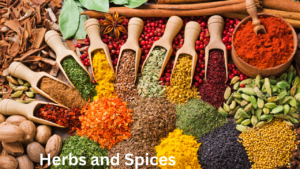
Herbs and Spices

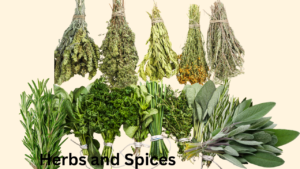
Herbs and Spices: A Complete Guide to Culinary Uses, Benefits, and Storage

Herbs and spices have been used for generations to add flavor, aroma and variety to food. From fresh basil sprinkled over vegetables to cinnamon added to oatmeal, these ingredients can make everyday meals more enjoyable without relying entirely on salt or sugar for flavor. Herbs and spices also come in many forms. They may be used fresh, dried, whole, crushed

Read More »
How to Build a Balanced Plate

How to Build a Balanced Plate for Healthy Eating

Introduction Building a balanced plate is a practical way to make everyday meals more nutritious without following complicated rules. By combining different food groups, you can create meals that provide energy, protein, fiber, vitamins and minerals. A balanced plate does not need to look the same at every meal. Your food choices can vary according to your culture, budget, appetite,

Read More »
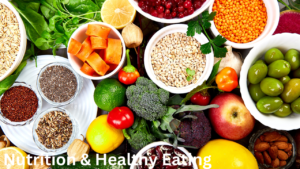
Nutrition & Healthy Eating

Nutrition & Healthy Eating: A Complete Guide to Better Nutrition

Introduction Nutrition plays an important role in everyday health and well-being. The foods and drinks you consume provide the energy and nutrients your body needs to function, maintain tissues, support normal growth and carry out daily activities. Healthy eating does not require expensive ingredients, complicated meal plans or eliminating every food you enjoy. It begins with understanding your nutritional needs,

Read More »
Basil

Basil: Nutrition, Benefits, Types, Uses & Storage Guide

1. What Is Basil? Basil (Ocimum basilicum) is an aromatic herb belonging to the mint family, Lamiaceae. It is widely used in Mediterranean, Southeast Asian, and other culinary traditions. The plant has soft leaves, a distinctive fragrance, and a flavor that can range from sweet and peppery to citrusy or slightly anise-like, depending on the variety. Basil is commonly sold

Read More »
Culinary Herbs

Culinary Herbs: Complete Guide to Fresh and Dried Herbs

Culinary herbs are an easy way to add flavor, aroma, color, and variety to everyday meals. From fresh basil in a tomato salad to dried oregano in a pasta sauce, herbs can help make food more enjoyable without relying entirely on salt, sugar, or rich sauces for flavor. But what exactly are culinary herbs? Are fresh herbs healthier than dried

Read More »
Whole Spices vs. Ground Spices

Whole Spices vs. Ground Spices: Differences, Uses & Storage

Spices are widely used to add flavor, aroma, color, and character to food. They can be purchased whole, cracked, crushed, or ground into powder. Although these forms may come from the same plant, they do not always perform the same way during cooking. Whole cumin seeds, for example, can release their aroma gradually when heated in oil. Ground cumin disperses

Read More »
Super Food

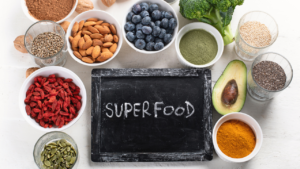
Top 10 Superfoods for Overall Health

I. Introduction What are superfoods?Superfoods are foods that are very rich in nutrients but low in calories. They often contain high amounts of vitamins, minerals, fiber, healthy fats, and antioxidants. Common examples include fruits, vegetables, whole grains, nuts, seeds, and some fish. There is no official scientific or legal definition for the word “superfood.” Instead, it is a popular term

Read More »
Superfoods for Health

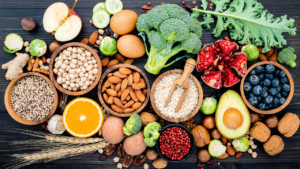
What Are Superfoods? Benefits and Examples

Introduction Superfoods are foods rich in nutrients that support good health. They are not a scientific category, but the term is often used to describe foods that contain high levels of vitamins, minerals, antioxidants, fiber, and healthy fats. Many superfoods come from plants, such as fruits, vegetables, nuts, seeds, and whole grains, though some fish and dairy products also qualify

Read More »

Share this:

Facebook
Twitter
LinkedIn