I. Introduction
What are superfoods?
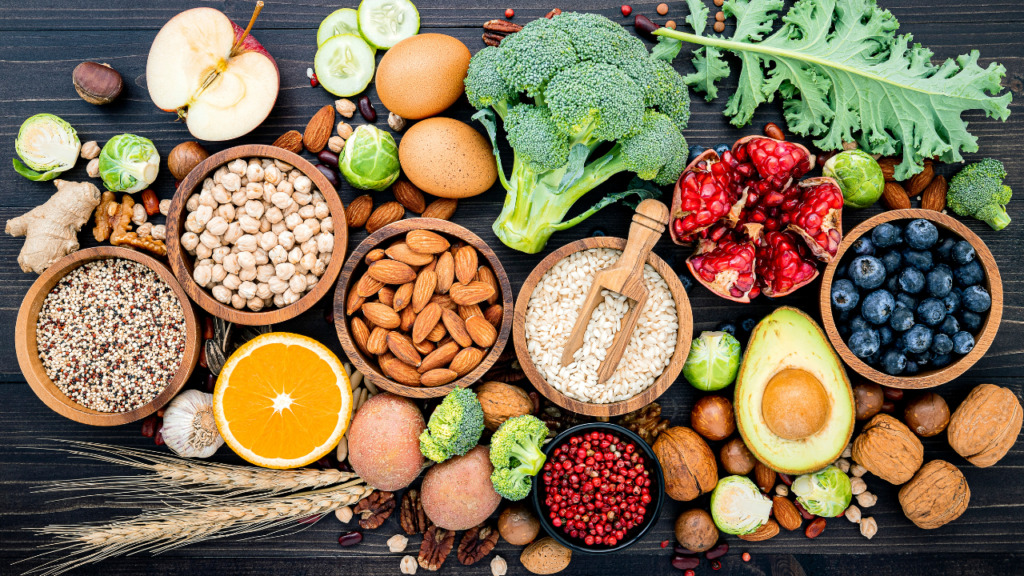
Superfoods are foods that are very rich in nutrients but low in calories. They often contain high amounts of vitamins, minerals, fiber, healthy fats, and antioxidants. Common examples include fruits, vegetables, whole grains, nuts, seeds, and some fish. There is no official scientific or legal definition for the word “superfood.” Instead, it is a popular term used to describe foods that support good health when eaten regularly as part of a healthy diet.
Why superfoods support overall health
Superfoods support overall health because they provide nutrients the body needs to function well. Antioxidants help protect cells from damage caused by free radicals, which are linked to conditions like heart disease and cancer. Fiber supports digestion and gut health, while healthy fats and vitamins help the heart, brain, immune system, and energy levels. These foods have been used for centuries in traditional systems like Ayurveda and Traditional Chinese Medicine to help the body stay balanced and strong.
Importance of variety and balance (not magic foods)
Superfoods are not magic foods that cure disease or replace a poor diet. Eating one or two “super” foods will not protect your health if the rest of your meals are unhealthy. Experts agree that good health comes from eating a wide variety of whole foods, not focusing on just one special item. A balanced diet that includes fruits, vegetables, whole grains, lean proteins, and healthy fats works better than relying on any single food.
Key takeaway
Instead of chasing trendy superfoods, focus on building a “super diet.” Eating many different nutrient-rich foods every day helps your body get what it needs to stay healthy over time. Superfoods work best when they are part of a balanced, everyday eating pattern—not as a quick fix or miracle solution.
How Superfoods Support Overall Health
Nutrient density explained
Superfoods support overall health because they are nutrient-dense. This means they provide a lot of important nutrients without adding many calories. Foods like berries, leafy greens, whole grains, nuts, seeds, and olive oil give your body vitamins, minerals, and plant compounds in every bite. Eating nutrient-dense foods helps your body get what it needs to function well, including energy, strong muscles, and a healthy immune system.
However, nutrient density does not make a food magical. Many everyday foods are just as nutrient-dense as foods labeled “superfoods.” The key is not focusing on one special food, but eating a wide variety of healthy foods regularly. When your meals include many different colors and food groups, your body benefits more than it would from eating just one trendy ingredient.
Role of antioxidants, fiber, healthy fats, and vitamins
Antioxidants are one of the main reasons superfoods are praised. They help protect your cells from free radicals, which are linked to heart disease, cancer, and other chronic illnesses. Foods like berries, leafy greens, herbs, and spices are rich in antioxidants and help reduce damage in the body over time.
Fiber, healthy fats, and vitamins also play a big role. Fiber supports digestion and gut health and helps you feel full. Healthy fats from foods like avocados, olive oil, nuts, and seeds support heart and brain health. Vitamins and minerals help with immune function, bone strength, and energy. Together, these nutrients work best when they come from whole foods eaten as part of a balanced diet.
Whole foods vs supplements (brief mention)
Whole foods are generally better than supplements because they contain many nutrients that work together. Foods provide fiber, antioxidants, and healthy fats that supplements usually lack. This “nutrient teamwork” helps the body absorb and use nutrients more effectively.
Supplements can be helpful in some cases, such as nutrient deficiencies, but they should not replace healthy eating. Superfoods and other whole foods should be the main source of nutrition, with supplements used only when needed. A balanced diet built on whole foods is the strongest foundation for long-term health.
Top 10 Superfoods for Overall Health
1. Leafy Greens (Spinach, Kale)
Leafy greens like spinach and kale are packed with vitamins A, C, and K, along with folate and fiber. These nutrients help support your immune system, keep your bones strong, and protect your heart. They are low in calories but high in antioxidants that help reduce inflammation and protect your cells from damage.
Leafy greens are easy to add to everyday meals. You can use them in salads, blend them into smoothies, or add them to soups and stews. Even adding a handful to your meals a few times a week can make a big difference in overall health.
2. Berries (Blueberries, Strawberries)
Berries are small but powerful. They are rich in antioxidants, vitamin C, and fiber, which help protect your body from illness and support heart and brain health. Antioxidants in berries help fight free radicals that can damage cells and lead to chronic diseases.
Berries are simple to enjoy in many ways. You can eat them as a snack, add them to oatmeal or yogurt, or blend them into smoothies. Fresh or frozen berries both offer great health benefits.
3. Fatty Fish (Salmon, Sardines)
Fatty fish like salmon and sardines are excellent sources of omega-3 fatty acids and high-quality protein. Omega-3s help reduce inflammation, support heart health, and improve brain and eye function. Eating fatty fish regularly is linked to a lower risk of heart disease.
You can enjoy fatty fish baked, grilled, or added to salads. Aim to eat fish about two times per week for the best benefits. Choosing wild-caught fish when possible is a healthy option.
4. Nuts & Seeds (Almonds, Chia, Flax)
Nuts and seeds provide healthy fats, fiber, protein, and important minerals. These nutrients help support heart health, digestion, and keep you feeling full longer. They also contain antioxidants that protect your cells from damage.
You can sprinkle nuts and seeds on oatmeal, yogurt, or salads. They also blend well into smoothies or baked goods. Since they are high in calories, small portions are enough to get the benefits.
5. Whole Grains (Oats, Quinoa, Brown Rice)
Whole grains are rich in fiber and B vitamins, which help your body produce energy and support digestion. Fiber also helps control blood sugar levels and supports heart health. Unlike refined grains, whole grains keep more of their natural nutrients.
Whole grains can be used in breakfast bowls, side dishes, or salads. Oats make a great breakfast, while quinoa and brown rice work well for lunch or dinner. Choosing whole grains over white grains is a simple, healthy swap.
6. Legumes (Beans, Lentils, Chickpeas)
Legumes are a great plant-based source of protein, fiber, and iron. They help support gut health, manage weight, and keep blood sugar levels steady. Eating legumes regularly is linked to a lower risk of heart disease and diabetes.
Legumes are very versatile in cooking. You can add them to soups, stews, salads, or wraps. They are affordable, filling, and easy to store, making them a smart choice for everyday meals.
7. Yogurt & Fermented Foods
Yogurt and other fermented foods contain probiotics, which are beneficial bacteria that support gut and immune health. They also provide calcium and protein, which help keep bones and muscles strong. A healthy gut plays a big role in overall wellness.
You can enjoy yogurt as a snack, in smoothies, or mixed into sauces and dressings. Choose plain yogurt with little or no added sugar for the best health benefits. Fermented foods like kefir are also good options.
8. Avocados
Avocados are rich in heart-healthy monounsaturated fats and potassium. These nutrients help support heart health and help your body absorb vitamins from other foods. Avocados are also filling, which can help with appetite control.
You can enjoy avocados on toast, in salads, or mashed into dips like guacamole. Adding avocado to meals is an easy way to increase healthy fat intake and improve flavor at the same time.
9. Garlic
Garlic contains sulfur compounds and antioxidants that help support immune and heart health. It has been used for centuries in traditional medicine to help fight infections and reduce inflammation. Regular garlic intake may help lower cholesterol and blood pressure.
Garlic is commonly used as a base for cooking. You can add it to sauces, soups, roasted vegetables, or meat dishes. Crushing or chopping garlic before cooking helps release its healthy compounds.
10. Olive Oil (Extra Virgin)
Extra virgin olive oil is rich in healthy fats and polyphenols, which help reduce inflammation and support heart health. It is a key part of the Mediterranean diet, which is linked to lower rates of heart disease and longer life.
Olive oil works well in salad dressings, dips, and light cooking. Using it instead of butter or refined oils is an easy way to make meals healthier. Choose extra virgin olive oil for the highest nutrient content.
How to Use Superfoods
Superfoods are easy to find and simple to use in everyday meals. Many are already in your local grocery store, especially in the produce section, where you’ll find fruits, vegetables, and leafy greens. Items like spinach, kale, berries, sweet potatoes, and broccoli can be added to meals you already enjoy. Some superfoods, such as spirulina or goji berries, may be found in the supplement aisle or online and are often sold in dried or powdered form.
One of the easiest ways to eat more superfoods is to swap them into your favorite recipes. Add leafy greens or roasted vegetables to main dishes, sprinkle seeds or spices like flaxseed and cinnamon on yogurt or cereal, or use healthier oils like coconut or olive oil when cooking. You can also combine several superfoods in one meal by making bowls, smoothies, soups, or salads. These meals help you get more nutrients at once without changing your routine too much.
Conclusion
Superfoods are not magic foods with special rules or a strict definition. They are simply foods that are rich in nutrients and offer strong health benefits. Many superfoods come from plants, such as fruits, vegetables, beans, and leafy greens, but some animal foods like salmon and eggs can also fit this group. These foods often support the immune system, heart health, and brain function while helping the body fight inflammation and disease.
The most important thing to remember is that good health does not come from eating one “perfect” food. Instead, it comes from eating a wide variety of whole, nutritious foods on a regular basis. Focusing on balance, building healthy eating habits, and choosing real foods most of the time can support long-term health and lower the risk of chronic diseases like heart disease, diabetes, and cognitive decline.