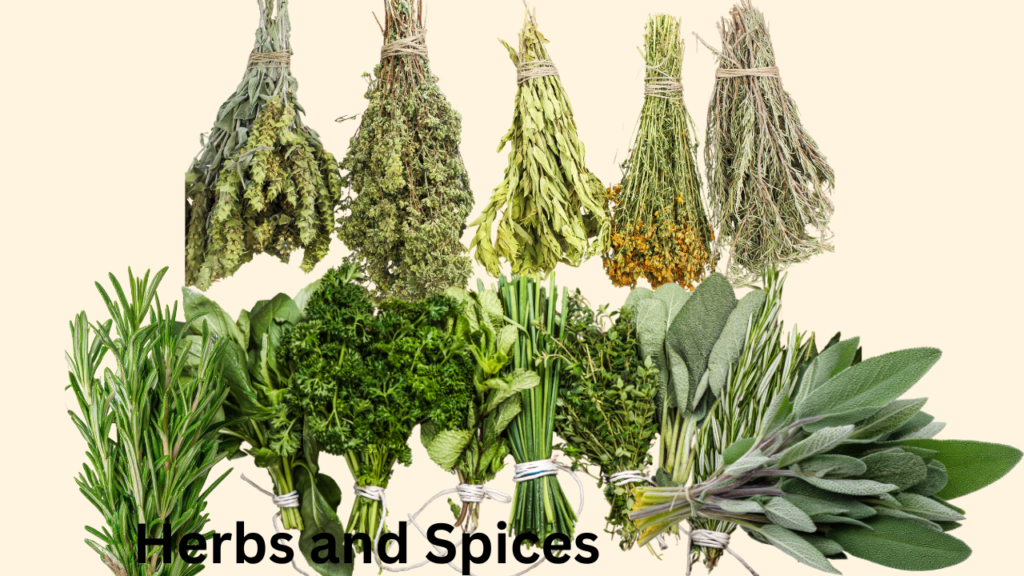
Fresh and dried herbs can both improve the flavor of everyday meals. Fresh basil can bring brightness to a tomato salad, while dried oregano can add depth to a slow-cooked sauce.
Although both forms come from the same plants, they differ in moisture content, flavor intensity, texture, storage requirements and how they behave during cooking.
Understanding these differences helps you choose the right herb for a recipe, avoid over-seasoning and reduce food waste.
What Are Fresh Herbs?
Fresh herbs are leafy plant ingredients used shortly after harvesting or purchasing. Common examples include basil, parsley, cilantro, mint, rosemary and thyme.
They contain natural moisture and often provide a fresh, delicate aroma. Their texture can also contribute to the appearance and mouthfeel of a dish.
Fresh herbs are commonly used in salads, garnishes, fresh sauces, dressings and meals where their flavor is best preserved near the end of cooking.
When to use fresh herbs
Fresh herbs are especially useful for:
- Salads and fresh vegetable dishes.
- Pesto and other uncooked sauces.
- Garnishing soups and cooked meals.
- Yogurt-based dips and dressings.
- Beverages and fruit preparations.
- Dishes where fresh aroma is an important feature.
Tender herbs such as basil, parsley, cilantro and mint are often added shortly before serving.
Hardier herbs, including rosemary and thyme, can usually withstand longer cooking times.
What Are Dried Herbs?
Dried herbs are produced by removing much of the water from harvested herbs. The drying process changes their texture and concentrates their flavor by volume.
Common dried herbs include oregano, thyme, rosemary, basil, sage and parsley.
They are convenient because they are generally easier to store and can be kept in a pantry without refrigeration when properly packaged.
When to use dried herbs
Dried herbs are useful in:
- Soups and stews.
- Tomato-based sauces.
- Marinades and seasoning blends.
- Roasted vegetables.
- Bean and lentil dishes.
- Long-cooking recipes.
Many dried herbs benefit from being added early enough for their flavor to blend with the other ingredients.
Fresh Herbs vs. Dried Herbs: Key Differences
| Feature | Fresh herbs | Dried herbs |
|---|---|---|
| Moisture | Higher | Much lower |
| Texture | Soft or leafy | Dry, crumbly or brittle |
| Flavor | Often bright and delicate | Often more concentrated by volume |
| Storage | Usually refrigerated or stored according to type | Airtight pantry storage |
| Best uses | Fresh sauces, salads and finishing | Soups, stews and longer-cooking dishes |
| Convenience | May require washing and chopping | Usually ready to measure |
| Shelf life | Relatively short | Generally longer when stored properly |
The exact differences depend on the herb, drying method, age and storage conditions.
How Much Dried Herb Replaces Fresh Herb?
Because drying removes water, dried herbs are usually more concentrated by volume than fresh herbs.
A common starting point is:
1 tablespoon fresh herbs ≈ 1 teaspoon dried herbs.
This is a cooking guideline, not a precise scientific conversion. Some herbs have stronger flavors than others, and the intensity of dried herbs changes during storage.
Example
If a recipe calls for one tablespoon of fresh oregano, start with approximately one teaspoon of dried oregano.
Taste the dish and adjust if needed. For delicate dishes, add small quantities gradually to avoid overpowering other flavors.
How to Substitute Fresh Herbs for Dried Herbs
In many cooked recipes, fresh herbs can replace dried herbs using the reverse of the same general guideline.
For example, one teaspoon of dried thyme may be replaced with approximately one tablespoon of fresh thyme leaves.
However, substitution is not always ideal. A fresh herb used as a garnish provides texture and appearance that dried herbs cannot reproduce.
Likewise, a recipe that depends on the concentrated flavor of dried herbs may require adjustments if fresh herbs are used instead.
When substituting, consider the recipe, the herb’s strength and when it will be added.
When Should You Add Herbs During Cooking?
Add hardy herbs earlier
Rosemary and thyme can often be added earlier in cooking because they tolerate heat relatively well. This gives their flavors time to blend into soups, stews and sauces.
Add tender herbs later
Basil, parsley, cilantro and mint often retain more of their fresh character when added near the end of cooking or immediately before serving.
Use dried herbs thoughtfully
Dried herbs can be added early enough to distribute their flavor throughout a dish. In some recipes, briefly rubbing dried leaves between clean fingers can help release their aroma before adding them.
Avoid burning herbs in a very hot pan, as this can create unwanted flavors.
How to Store Fresh Herbs
Fresh herbs need suitable storage conditions to maintain their quality.
- Remove damaged or slimy leaves.
- Store herbs according to their type.
- Refrigerate herbs that benefit from cool storage.
- Keep delicate herbs protected from crushing and excess moisture.
- Consider using hardy herbs in cooked dishes before they lose quality.
Some herbs, particularly basil, can be sensitive to cold temperatures. Storage methods should reflect the herb rather than treating every variety identically.
How to Store Dried Herbs
Store dried herbs in airtight containers away from sunlight, moisture and heat.
Keep them away from steam released by cooking pots. Label containers and check the aroma periodically.
Dried herbs may lose flavor over time even when they remain dry. Replace them when their aroma has weakened significantly, and discard any product that shows mold or moisture damage.
Common Mistakes When Using Fresh and Dried Herbs
Using equal amounts automatically: Dried herbs are generally more concentrated by volume, so equal quantities may produce an overly strong flavor.
Adding delicate fresh herbs too early: Long cooking can diminish the bright flavor of some tender herbs.
Using old dried herbs: Seasonings that have lost their aroma may not contribute much flavor.
Ignoring the recipe’s texture: Fresh herbs can provide color and texture that dried herbs cannot replace.
Assuming every herb behaves the same way: Basil, rosemary, mint and oregano have different flavor strengths and cooking characteristics.
Frequently Asked Questions
Are dried herbs less nutritious than fresh herbs?
Nutrient content varies by herb, drying method and storage. Drying changes water content and can affect some compounds, so the two forms should not be assumed to have identical nutritional profiles.
Can I use dried herbs in salads?
You can, depending on the recipe. However, dried herbs have a different texture and may need time to soften in a dressing. Fresh herbs are often preferable when a salad depends on a bright, leafy texture.
Can fresh herbs be frozen?
Yes. Many fresh herbs can be frozen, either whole, chopped or in suitable portions. Freezing may change their texture, so frozen herbs are often better suited to cooked dishes than fresh garnishes.
Which is better for soups and stews?
Dried herbs are convenient for long-cooking soups and stews. Hardy fresh herbs can also work well, while tender herbs are often added near the end.
How can I tell if dried herbs have gone stale?
A weak aroma, faded flavor or noticeable deterioration in quality suggests the herbs may need replacing. Mold or moisture damage means they should be discarded.
Conclusion
Fresh and dried herbs both have a place in a well-equipped kitchen. Fresh herbs are useful when bright aroma, color and texture matter, while dried herbs are convenient for pantry storage and many cooked dishes.
Start with the substitution guideline of one teaspoon dried herbs for one tablespoon fresh herbs, then adjust to taste. Store both forms appropriately and choose the one that best suits the recipe.
For more information, read the SUNDRG HEALTH pillar article: Herbs and Spices: A Complete Guide to Culinary Uses, Benefits, and Storage.
Health information notice: This article is for general educational purposes and focuses on culinary use.