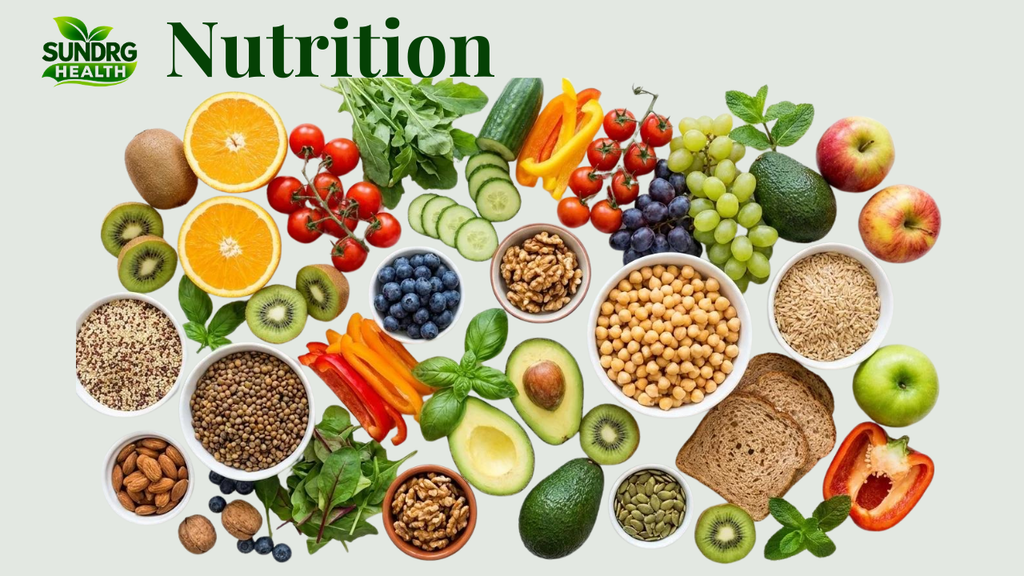
Natural health begins with the everyday choices we make about food, ingredients and lifestyle. The foods we prepare, the ingredients we use and the variety of nutrients in our diets all contribute to our overall nutritional well-being.
From fresh vegetables and fruits to whole grains, herbs, spices, nuts and seeds, nature provides a wide variety of foods that can form part of a balanced eating pattern.
However, eating naturally does not mean that every natural ingredient is automatically healthy or that natural products can replace medical treatment. Understanding nutrition, food quality, preparation methods and ingredient safety is important.
In this guide, we explore three important areas of natural health: herbs and spices, natural foods, and healthy ingredients. You will learn what they are, how to use them and how to make practical choices for everyday meals.
1. What Is Natural Health?
Natural health is a broad approach to well-being that emphasizes healthy lifestyle habits, nutritious foods and informed use of naturally occurring ingredients.
In nutrition, this can include:
- Eating a variety of fruits and vegetables.
- Choosing whole grains and fiber-rich foods.
- Including beans, nuts and seeds in meals.
- Using herbs and spices to add flavor.
- Choosing appropriate sources of healthy fats.
- Limiting excessive added sugar and highly processed foods.
- Practicing safe food preparation and storage.
Natural health is not about following one particular diet. It is about developing sustainable habits that support nutritional needs and general well-being.
2. Understanding Herbs and Spices
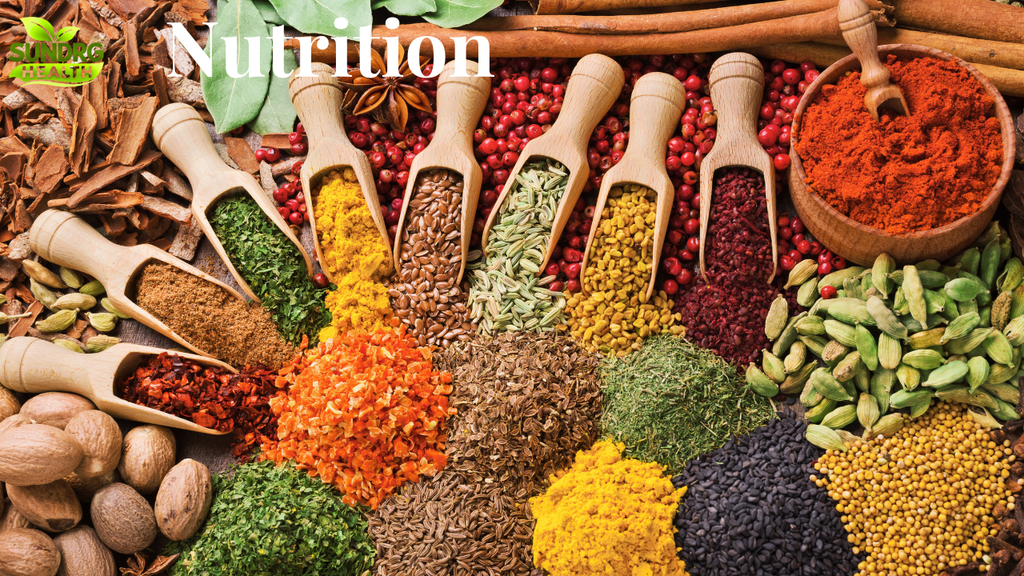
Herbs and spices have been used in cooking across different cultures for generations. They add flavor, aroma and color to meals and can help reduce the need for excessive salt or added sugar in some recipes.
Herbs are generally the leafy parts of plants used in cooking. Examples include:
- Basil
- Rosemary
- Thyme
- Parsley
- Mint
- Oregano
Spices generally come from other plant parts, including roots, bark, seeds, fruits and flower buds.
Examples include:
- Turmeric
- Ginger
- Cinnamon
- Cloves
- Black pepper
- Nutmeg
Herbs and spices contain different naturally occurring compounds. However, their nutritional and health effects vary, and culinary quantities should not be confused with concentrated supplements.
Explore our detailed guide: Herbs & Spices.
3. Natural Foods and Their Importance
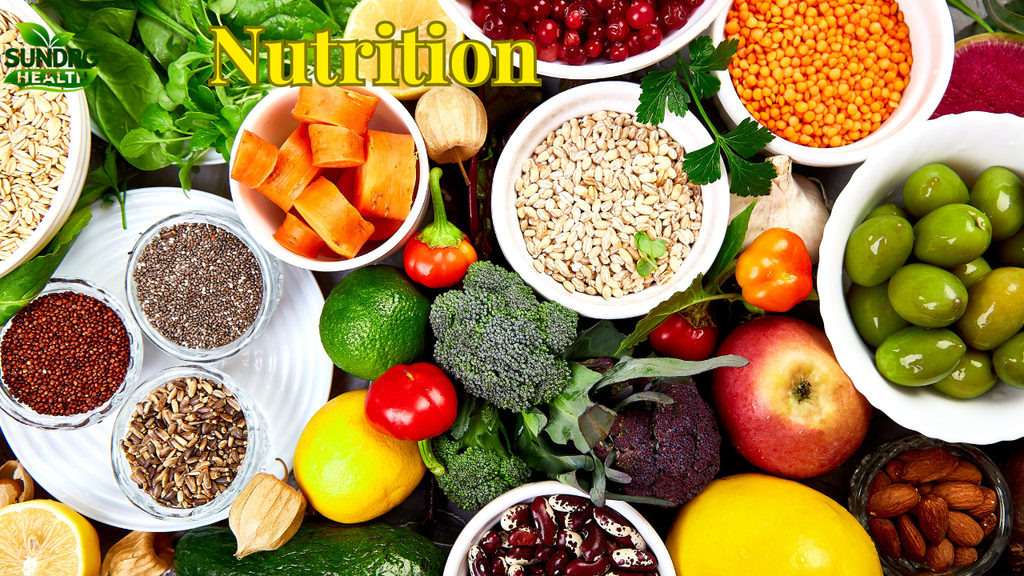
Natural foods include foods that are minimally processed or consumed close to their original form.
Examples include:
- Fresh fruits and vegetables.
- Whole grains such as oats, brown rice and millet.
- Legumes such as beans, lentils and chickpeas.
- Nuts and seeds.
- Eggs, fish and other nutritious protein sources.
- Plain dairy products, where suitable.
These foods provide different nutrients, including carbohydrates, protein, fats, vitamins, minerals and dietary fiber.
Eating a variety of foods helps provide a broader range of nutrients than relying heavily on a small number of ingredients.
4. Understanding Healthy Ingredients
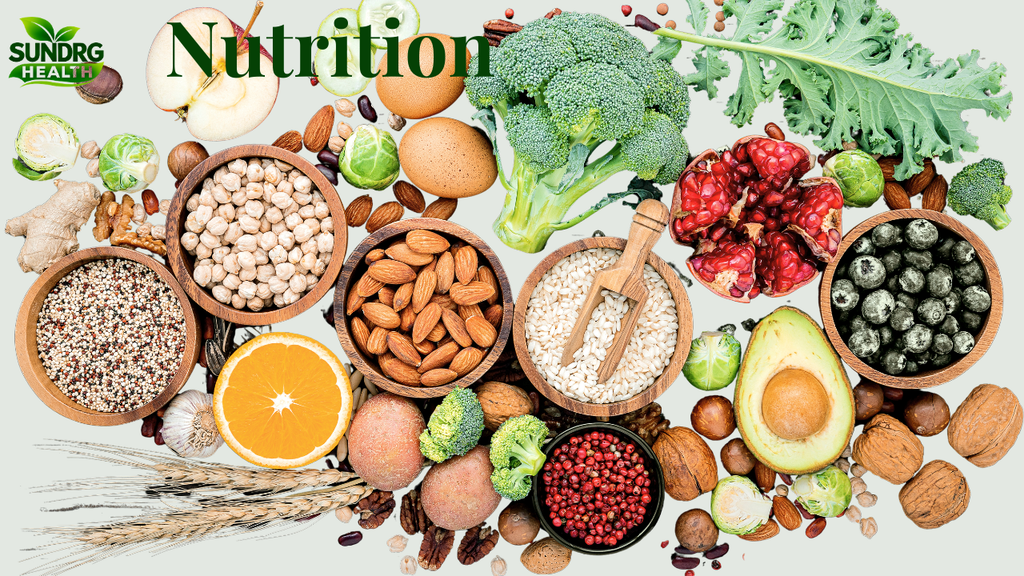
Healthy ingredients are individual foods or food components that can contribute useful nutrients to meals.
Some examples include:
| Ingredient | Nutritional contribution |
|---|---|
| Avocado | Monounsaturated fats and fiber |
| Chia seeds | Fiber, fats and minerals |
| Oats | Soluble fiber and carbohydrates |
| Olive oil | Predominantly monounsaturated fats |
| Garlic | Flavor and naturally occurring plant compounds |
| Flaxseeds | Fiber and alpha-linolenic acid |
| Pumpkin seeds | Protein, fats and minerals |
| Lemon | Vitamin C and flavor |
Remember that no single ingredient provides everything the body needs. Overall dietary patterns matter more than individual superfoods.
5. How to Incorporate Natural Foods into Everyday Meals
You do not need expensive ingredients or complicated recipes to eat well.
Here are some practical ideas:
Breakfast
- Oatmeal with banana and chia seeds.
- Eggs with vegetables and whole-grain toast.
- Plain yogurt with berries and nuts.
Lunch
- Brown rice with beans and vegetables.
- Vegetable soup with lean protein.
- Whole-grain wraps with chicken and fresh vegetables.
Dinner
- Grilled fish with steamed vegetables.
- Beans with leafy greens and whole grains.
- Vegetable stir-fry with tofu or chicken.
Healthy snacks
- Fresh fruit.
- A handful of unsalted nuts.
- Plain yogurt.
- Carrot or cucumber sticks.
6. How to Choose Quality Natural Ingredients
When shopping for natural foods and ingredients, consider the following:
- Read food labels and ingredient lists.
- Choose a variety of colorful fruits and vegetables.
- Compare added sugar and sodium levels.
- Look for whole-grain options.
- Choose appropriate sources of unsaturated fats.
- Check expiration dates and food storage instructions.
- Buy herbs and spices from reputable suppliers.
- Avoid assuming that expensive or organic products are automatically more nutritious.
7. Natural Health and Food Safety
Natural ingredients can still carry risks.
Some herbs and spices may interact with medications, and concentrated herbal supplements can have different effects from the same ingredients used in cooking.
Consider these precautions:
- Wash fresh produce before preparation.
- Store foods at appropriate temperatures.
- Use herbs and spices in moderation.
- Check supplement ingredients and dosage information.
- Consult a qualified healthcare professional before using herbal supplements, particularly if pregnant, breastfeeding, taking medication or managing a health condition.
- Do not replace prescribed treatment with natural products.
8. Building a Sustainable Natural Eating Lifestyle
Healthy eating should be practical enough to maintain over time.
Start with small changes:
- Add one extra serving of vegetables to your daily meals.
- Include fruits as regular snacks.
- Experiment with herbs and spices instead of relying heavily on salt.
- Replace some refined grains with whole grains.
- Include beans, nuts and seeds regularly.
- Prepare more meals at home.
- Plan meals and grocery shopping ahead of time.
Consistency is more valuable than trying to follow a perfect diet.
Conclusion
Natural health starts with understanding the foods and ingredients we consume every day. Herbs and spices bring flavor and variety to meals, natural foods provide essential nutrients, and healthy ingredients help create balanced dishes.
By learning how to choose, prepare and combine these foods, you can build practical eating habits that support your overall well-being.
Explore SUNDRG HEALTH for more information about herbs and spices, natural foods, healthy ingredients and everyday nutrition.
Disclaimer: This article is for educational purposes only and does not replace professional medical or nutritional advice.