Introduction
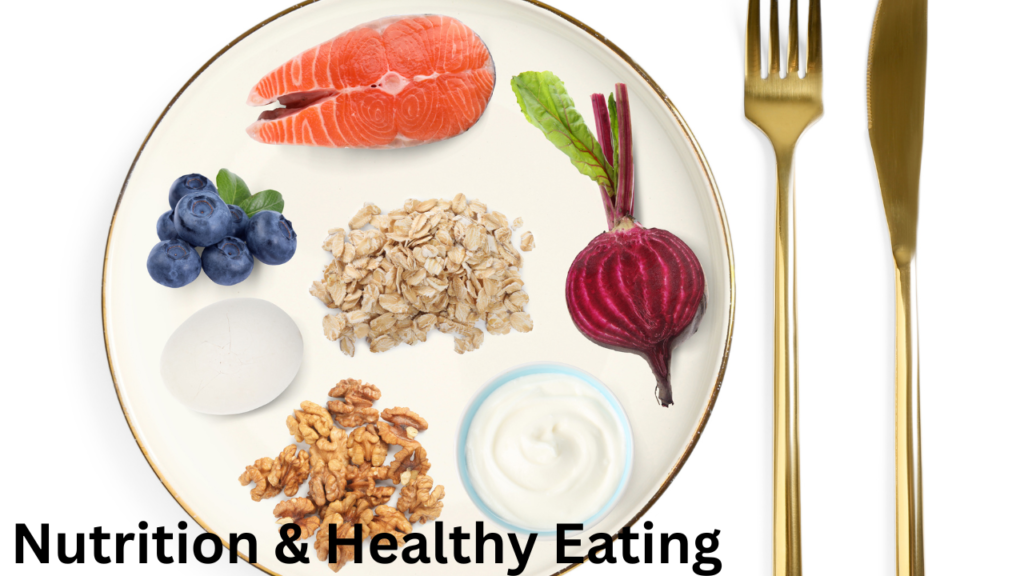
Building a balanced plate is a practical way to make everyday meals more nutritious without following complicated rules. By combining different food groups, you can create meals that provide energy, protein, fiber, vitamins and minerals.
A balanced plate does not need to look the same at every meal. Your food choices can vary according to your culture, budget, appetite, activity level and nutritional needs.
In this guide, SUNDRG HEALTH explains how to combine food groups, choose practical ingredients and build balanced meals at home.
What Is a Balanced Plate?
A balanced plate is a meal that combines several food groups in proportions that help provide a range of nutrients.
A useful starting point is to include vegetables and fruits, protein-rich foods, and whole grains or other starchy foods. Suitable sources of fats can round out the meal.
The familiar visual plate method often uses approximately half the plate for vegetables and fruits, one-quarter for protein and one-quarter for grains or other starchy foods. This is a flexible educational guide, not a strict prescription for every person or every meal.
Your needs may differ depending on age, health, activity, appetite and other factors.
The Main Components of a Balanced Plate
1. Vegetables and fruits
Vegetables and fruits provide vitamins, minerals, fiber and other beneficial compounds.
Examples include:
- Broccoli, carrots and cabbage.
- Spinach and other leafy greens.
- Tomatoes, peppers and cucumbers.
- Apples, oranges, berries and bananas.
- Frozen vegetables and unsweetened canned fruit.
Try including a variety of colors and types over the course of the week. Fresh produce is useful, but frozen and canned options can also help make meals convenient and affordable.
2. Protein-rich foods
Protein helps build and maintain body tissues and supports other essential functions.
Include options such as:
- Beans and lentils.
- Eggs.
- Fish and seafood.
- Chicken and other poultry.
- Lean meat.
- Tofu and other soy foods.
- Nuts and seeds as part of the meal.
Rotate protein sources to add variety and meet your nutritional needs.
3. Whole grains and other starchy foods
Carbohydrate-rich foods provide energy. Whole grains can also supply fiber, vitamins and minerals.
Examples include:
- Oats.
- Brown rice.
- Whole-wheat bread.
- Whole-grain pasta.
- Barley.
- Corn.
- Potatoes and sweet potatoes.
- Other culturally familiar staple foods.
You do not have to eliminate carbohydrates to eat a balanced diet. Consider food quality, meal composition and the portions that suit you.
4. Healthy sources of fat
Dietary fats provide energy, help absorb certain vitamins and supply essential fatty acids.
Suitable options include olive oil, canola oil, avocados, nuts, seeds and fish.
Use amounts that fit your overall nutritional needs. Replacing some saturated fats with unsaturated fats can support a healthier eating pattern.
5. Water and other beverages
Water is a practical default beverage with meals. Unsweetened tea and other suitable beverages may also fit into a healthy eating pattern.
Individual fluid needs vary. People with medical conditions that require fluid restrictions should follow their healthcare professional’s advice.
Examples of Balanced Meals
Here are practical combinations you can adapt to your food preferences.
| Meal | Vegetables or fruits | Protein | Grain or starchy food |
|---|---|---|---|
| Breakfast | Banana or berries | Eggs or plain yogurt | Oats or whole-grain toast |
| Lunch | Mixed vegetables or salad | Beans, chicken or tofu | Brown rice or whole-grain bread |
| Dinner | Broccoli, carrots or leafy greens | Fish, lentils or poultry | Potatoes or whole grains |
| Vegetarian meal | Roasted vegetables | Chickpeas or lentils | Brown rice or whole-wheat flatbread |
These are examples rather than fixed menus. Portions should reflect your appetite, energy needs and dietary circumstances.
How to Build a Balanced Plate on a Budget
Healthy meals can be made from familiar, affordable ingredients.
Choose economical staples. Oats, rice, beans, lentils, eggs and potatoes can form the basis of many meals.
Use frozen vegetables. Frozen produce can be convenient and may reduce waste when you need only a small amount at a time.
Plan meals around shared ingredients. Cook a batch of grains and prepare vegetables that can be used in several dishes.
Compare prices and labels. Choose products that offer good value and suit your nutritional needs.
Use leftovers safely. Refrigerate perishable foods promptly and follow food-safety guidance when storing and reheating meals.
Common Balanced-Plate Mistakes
Focusing on one food group
A meal made almost entirely of one food group may not provide the variety you need. Combine different food groups throughout the day.
Avoiding all fats or carbohydrates
Both fats and carbohydrates have important functions. Focus on suitable sources and an overall balanced eating pattern rather than eliminating entire nutrient groups without a clear reason.
Treating the plate method as a rigid rule
The plate method is a visual guide. Some people need different proportions, meal sizes or eating patterns due to medical conditions, activity demands, age or other factors.
Assuming every meal must be perfect
Meals do not need to be identical or perfectly proportioned. Aim for variety and balance over time.
A Simple Balanced-Plate Checklist
Before serving a meal, consider these questions:
- Does the meal include vegetables or fruit?
- Is there a suitable source of protein?
- Does it include a grain or another source of energy?
- Have I included a suitable source of fat where appropriate?
- Is the meal satisfying and practical for my needs?
- Does it fit my food preferences and budget?
You do not need to meet every item in exactly the same way at every meal. The checklist is a simple planning tool.
Frequently Asked Questions
Does every meal need to follow the plate method?
No. The plate method is a visual guide rather than a requirement. Some meals combine food groups differently, and overall dietary variety matters across the day and week.
Can rice be part of a balanced plate?
Yes. Rice can be part of a balanced meal. Pair it with vegetables and a suitable protein source. Whole-grain varieties such as brown rice provide more fiber than white rice, but either can fit into an overall healthy eating pattern.
Can a vegetarian meal be balanced?
Yes. Beans, lentils, tofu, nuts, seeds and other suitable foods can contribute protein and other nutrients. People following restrictive diets should plan carefully to meet their nutritional needs.
How can I make a balanced plate for picky eaters?
Offer familiar foods alongside new options, vary preparation methods and allow people to choose from suitable alternatives. Preferences can change over time, and pressure is not necessary to introduce variety.
What if I have diabetes or another medical condition?
Your nutritional needs may require individual adjustments. A registered dietitian or other qualified healthcare professional can help adapt meal composition and portions to your circumstances.
Conclusion
Building a balanced plate is a simple way to bring variety into everyday meals. Include vegetables and fruits, protein-rich foods, grains or other starchy foods, and suitable fats while choosing portions that meet your needs.
Use the method as a flexible guide, not a rigid rule. With practical planning and familiar ingredients, balanced meals can fit many different budgets, cultures and lifestyles.
For more guidance, read the SUNDRG HEALTH pillar article: Nutrition & Healthy Eating: A Complete Guide to Better Nutrition.
Health information notice: This article is for general educational purposes and is not a substitute for individualized medical or dietetic advice.