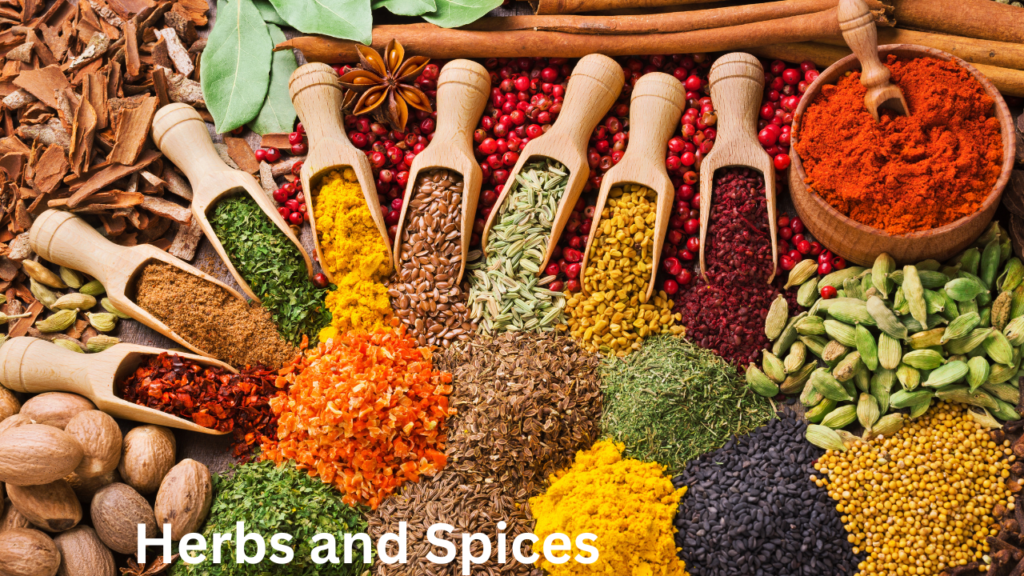
Herbs and spices have been used for generations to add flavor, aroma and variety to food. From fresh basil sprinkled over vegetables to cinnamon added to oatmeal, these ingredients can make everyday meals more enjoyable without relying entirely on salt or sugar for flavor.
Herbs and spices also come in many forms. They may be used fresh, dried, whole, crushed or ground, depending on the ingredient and the recipe.
Understanding the differences between them can help you choose the right ingredients, prepare meals more confidently and store your seasonings properly.
In this SUNDRG HEALTH guide, you will learn what herbs and spices are, how they differ, popular varieties, their culinary applications, nutritional considerations and practical storage tips.
What Are Herbs?
Herbs are commonly defined in cooking as the leafy parts of plants used to flavor food. They may be used fresh or dried.
Examples include basil, parsley, mint, rosemary, thyme, oregano, cilantro, dill and sage.
Fresh herbs often provide a bright aroma and delicate flavor. Dried herbs generally have a more concentrated flavor by volume because much of their water has been removed.
Herbs can be added to soups, salads, sauces, marinades, vegetable dishes, meat, fish and grain-based meals.
Common culinary herbs
- Basil: Often used in tomato dishes, pesto, pasta and salads.
- Parsley: Adds a fresh, green flavor to soups, sauces, vegetables and grain dishes.
- Rosemary: Has a strong, aromatic flavor that pairs well with roasted vegetables, potatoes and many savory dishes.
- Thyme: Works well in soups, stews, beans, poultry and roasted vegetables.
- Mint: Commonly used in salads, sauces, beverages and desserts.
- Oregano: Popular in tomato-based sauces, roasted vegetables and Mediterranean-style cooking.
- Cilantro: Frequently used in fresh salsas, soups, curries and other dishes.
- Dill: Commonly paired with potatoes, fish, yogurt-based sauces and pickled foods.
- Sage: Often used in savory stuffing, roasted vegetables and sauces.
Each herb has a distinct flavor, so the best choice depends on the food you are preparing.
What Are Spices?
Spices are seasonings obtained from various parts of plants, including roots, rhizomes, bark, seeds, fruits, flower buds and other plant structures.
Unlike culinary herbs, which are commonly leafy, spices may come from many different parts of a plant.
Examples include cinnamon, ginger, turmeric, cumin, cloves, cardamom, black pepper, nutmeg and paprika.
Spices can contribute warmth, sweetness, earthiness, pungency, color or heat to food.
Common culinary spices
- Cinnamon: Adds a warm, sweet aroma to oatmeal, baked goods and some savory dishes.
- Ginger: Provides a fresh, sharp flavor in stir-fries, soups, marinades and baked goods.
- Turmeric: Contributes an earthy flavor and yellow color to rice dishes, soups and curries.
- Cumin: Has an earthy, warm flavor and is frequently used in beans, vegetables, stews and spice blends.
- Black pepper: Adds pungency and depth to a wide range of savory dishes.
- Paprika: Provides color and a flavor that can range from mild and sweet to smoky or hot.
- Cloves: Have a strong, warm flavor and are used in selected sweet and savory preparations.
- Cardamom: Adds a fragrant flavor to baked goods, beverages and some rice and curry dishes.
- Nutmeg: Is often used in baked goods, sauces and selected vegetable dishes.
- Coriander seed: Has a warm, citrus-like flavor and is used whole or ground in many cuisines.
Spices may be sold whole or ground. Whole spices often retain their aroma longer when stored properly, while ground spices are convenient for everyday cooking.
Herbs vs. Spices: What Is the Difference?
The main distinction is the plant part commonly used in cooking.
| Feature | Herbs | Spices |
|---|---|---|
| Common plant part | Leaves | Seeds, bark, roots, rhizomes, fruits or flower buds |
| Examples | Basil, mint, parsley, thyme | Cinnamon, cumin, ginger, cloves |
| Typical forms | Fresh or dried leaves | Whole, crushed or ground |
| Flavor | Often fresh, grassy or aromatic | May be warm, earthy, pungent, sweet or hot |
| Common uses | Salads, sauces, soups and garnishes | Seasoning blends, curries, marinades and baked goods |
These categories are culinary conventions rather than strict botanical rules. Some plants provide both an herb and a spice. For example, cilantro leaves are commonly treated as an herb, while coriander seeds are used as a spice.
Fresh Herbs vs. Dried Herbs
Fresh and dried herbs can both be useful in the kitchen, but they behave differently.
Fresh herbs generally contain more moisture and may provide a brighter flavor. Dried herbs have less moisture and can be more concentrated by volume.
When to use fresh herbs
Fresh herbs work well when their aroma and delicate flavor are important. They are commonly added to salads, fresh sauces, garnishes and dishes near the end of cooking.
Examples include fresh basil in a tomato salad, parsley sprinkled over soup and mint added to a yogurt sauce.
When to use dried herbs
Dried herbs are convenient for pantry storage and are useful in longer-cooking dishes.
They work well in soups, stews, sauces, roasted vegetables and marinades, where their flavors have time to blend with other ingredients.
Can fresh herbs be replaced with dried herbs?
Often, yes. However, dried herbs are generally more concentrated by volume, so you usually need less.
A common starting point is to use approximately one teaspoon of dried herbs for every tablespoon of fresh herbs. This is only a guideline; flavor strength varies by herb, age, preparation and recipe.
Adjust the quantity to taste.
Whole Spices vs. Ground Spices
Whole spices and ground spices offer different advantages.
Whole spices, such as peppercorns, cinnamon sticks and cumin seeds, generally retain their aroma longer when protected from heat, light, air and moisture.
Ground spices are convenient because they can be measured and mixed easily. However, their larger exposed surface area allows aromatic compounds to dissipate more quickly.
When to use whole spices
Use whole spices when you want a gradual release of flavor during cooking. They are useful in broths, rice dishes, slow-cooked meals, infusions and spice blends.
When to use ground spices
Ground spices are convenient for rubs, sauces, baking, marinades and recipes that require even distribution.
For stronger aroma, you can grind suitable whole spices shortly before use.
How to Use Herbs and Spices in Cooking
The right seasoning can complement the flavor of a dish without overwhelming it.
1. Match the seasoning to the food
Basil pairs naturally with tomato-based dishes. Rosemary works well with roasted potatoes and vegetables. Cumin is useful in bean dishes, while cinnamon can complement oats and baked fruit.
These are suggestions rather than fixed rules. Experiment with different combinations to find flavors you enjoy.
2. Add seasonings at the right time
Dried herbs and many ground spices can be added early enough for their flavors to blend into a dish.
Fresh herbs with delicate aromas are often best added near the end of cooking or just before serving.
Hardier herbs, such as rosemary and thyme, can often withstand longer cooking times.
3. Start with small amounts
Some herbs and spices have strong flavors. Start with a modest quantity, taste the dish and adjust gradually.
This approach is especially useful when working with unfamiliar ingredients.
4. Combine complementary flavors
A simple seasoning combination might include garlic, black pepper and rosemary for roasted vegetables.
Another might combine cumin, coriander and paprika for beans, lentils or roasted chickpeas.
You can also experiment with basil, oregano and thyme in tomato-based sauces.
5. Use seasonings to add flavor with less salt
Herbs, spices, garlic, onion, citrus juice and vinegar can add flavor to food. They may help you reduce the amount of salt you use, although the best combination depends on the recipe.
Nutritional Properties of Herbs and Spices
Herbs and spices contain a variety of naturally occurring compounds. Depending on the ingredient, these may include aromatic oils, pigments, polyphenols and other plant compounds.
Some also contribute small amounts of vitamins and minerals.
However, culinary herbs and spices are usually consumed in relatively small quantities. Their overall nutritional contribution depends on the ingredient and the amount used.
They can add flavor and variety to a balanced eating pattern, but they should not be regarded as substitutes for nutritious meals, prescribed treatments or professional medical care.
Turmeric
Turmeric contains curcuminoids, including curcumin, which contribute to its yellow color. It is commonly used in curries, rice dishes, soups and seasoning blends.
Although turmeric and curcumin have been studied for several health conditions, current evidence is insufficient to establish many of the health benefits promoted for supplements. Highly bioavailable curcumin products have also been associated with reports of liver injury.
Ginger
Ginger is used fresh, dried, ground or preserved in savory foods, drinks and baked goods.
Research has examined ginger supplements for several purposes, including nausea. Findings vary according to the condition and preparation studied, so results from supplements should not automatically be applied to ordinary culinary use.
Cinnamon
Cinnamon is made from the bark of certain trees. It is used in oatmeal, baked goods, beverages and savory recipes.
Research does not clearly establish cinnamon supplements as effective treatments for health conditions. The type of cinnamon and the amount consumed can also matter for safety.
Garlic
Garlic is widely used to flavor vegetables, soups, sauces, grains and protein-rich foods. It is available fresh, dried, minced and powdered.
Garlic contributes flavor and contains naturally occurring sulfur compounds. Claims about medicinal effects should be evaluated separately from its established culinary uses.
Black pepper
Black pepper contains piperine, a compound that contributes to its pungency. It is commonly used in savory dishes and seasoning blends.
Piperine can influence the absorption or metabolism of certain substances. Concentrated supplements and medicinal uses should not be assumed to have the same effects or safety profile as ordinary seasoning.
How to Store Herbs and Spices
Proper storage helps preserve aroma, flavor and quality.
Storing fresh herbs
Different fresh herbs have different storage requirements.
- Some leafy herbs can be stored in the refrigerator with their stems in water or loosely wrapped in a clean, slightly damp paper towel.
- Hardy herbs such as rosemary and thyme often keep well when wrapped loosely and refrigerated.
- Basil can be sensitive to cold and may be better stored at room temperature in suitable conditions.
- Wash herbs before use, or follow appropriate handling guidance, and dry them well when storage conditions require it.
Discard herbs that show signs of spoilage, such as sliminess, mold or an unpleasant odor.
Storing dried herbs and spices
For dried herbs and spices:
- Use clean, dry, airtight containers.
- Keep containers away from direct sunlight, heat and moisture.
- Store them away from areas where steam regularly rises from cooking pots.
- Label containers with the ingredient name and purchase or opening date.
- Check aroma, color and condition periodically.
Dried herbs and spices generally lose flavor gradually rather than becoming unsafe immediately after a quality date. Follow package instructions and discard products showing moisture damage, mold or other signs of spoilage.
How long do dried herbs and spices last?
Storage life varies according to the ingredient, processing, packaging and storage conditions. Whole spices generally retain their aroma longer than ground spices.
Rather than relying on one fixed expiration period, check the product’s aroma, flavor and appearance. Replace seasonings when their flavor has noticeably weakened.
Common Mistakes When Using Herbs and Spices
Using too much seasoning
Strong seasonings can overpower a meal. Add small amounts first and adjust after tasting.
Storing seasonings near heat
Keeping containers beside a hot stove or in direct sunlight can accelerate flavor loss.
Using stale spices
Spices that have lost most of their aroma may contribute little flavor. Check them periodically and replace them when necessary.
Confusing supplements with culinary ingredients
A spice used in a recipe is not equivalent to a concentrated extract or supplement. These products may differ in dose, absorption, effects and safety.
Assuming natural means risk-free
Natural products can still cause allergies, side effects or interactions with medications. Essential oils and concentrated supplements require particular care.
Safety Considerations
For most people, ordinary culinary quantities of familiar herbs and spices can be part of a varied diet. However, concentrated herbal products require a different level of caution.
Keep the following in mind:
- Check ingredient labels if you have a food allergy or sensitivity.
- Ask a healthcare professional or pharmacist about potential interactions before using herbal supplements, particularly if you take medication.
- Seek qualified advice before using concentrated products during pregnancy or breastfeeding.
- Avoid assuming that a supplement is safe because it is described as natural.
- Do not use herbs or spices as replacements for prescribed treatment.
Evidence varies considerably across individual ingredients and products. The safety and effectiveness of each herb or supplement should be considered separately.
Frequently Asked Questions About Herbs and Spices
Are herbs and spices the same thing?
No. Culinary herbs usually come from the leafy parts of plants, while spices can come from seeds, bark, roots, rhizomes, fruits and other plant parts. Some plants provide both.
Are fresh herbs better than dried herbs?
Neither is universally better. Fresh herbs are useful for bright, delicate flavors, while dried herbs are convenient and can work well in longer-cooking recipes.
Are whole spices better than ground spices?
Whole spices generally preserve their aroma longer when stored correctly. Ground spices are convenient and easier to distribute evenly through a dish.
Can herbs and spices replace salt?
They can help add flavor and may allow you to use less salt. The best approach depends on the dish, your preferences and any individual dietary requirements.
Do herbs and spices provide health benefits?
They contain naturally occurring compounds, and some have been studied for specific health effects. However, evidence varies widely, and many claims about supplements are not firmly established.
Are herbal supplements the same as culinary herbs?
No. Supplements can contain concentrated extracts or different doses of plant compounds. Their effects and risks may differ from those of herbs used in normal cooking.
How can I tell if spices have lost their quality?
A noticeable loss of aroma or flavor is a useful sign that a spice may need replacing. Discard products that show mold, moisture damage or other signs of spoilage.
Conclusion
Herbs and spices are versatile ingredients that add flavor, aroma and variety to everyday meals. Understanding their differences, learning when to use fresh or dried forms, and storing them correctly can help you make better use of your kitchen seasonings.
A practical approach is to start with a few familiar ingredients, experiment with combinations and choose seasonings that complement your food.
Remember that culinary use and medicinal use are not the same. Enjoy herbs and spices as part of a varied diet, and seek reliable professional guidance before using concentrated herbal products for health purposes.
Explore more SUNDRG HEALTH guides to learn about individual herbs, popular spices, cooking techniques, storage methods and evidence-based nutrition.
Related articles:
- Fresh Herbs vs. Dried Herbs: Differences and Cooking Tips
- Whole Spices vs. Ground Spices: Which Should You Use?
- How to Store Spices Properly to Preserve Flavor
- Turmeric: Culinary Uses, Nutritional Properties and Safety
- Ginger: Fresh, Dried and Ground Forms Explained
Health information notice: This article is for general educational purposes and is not a substitute for individualized medical advice.