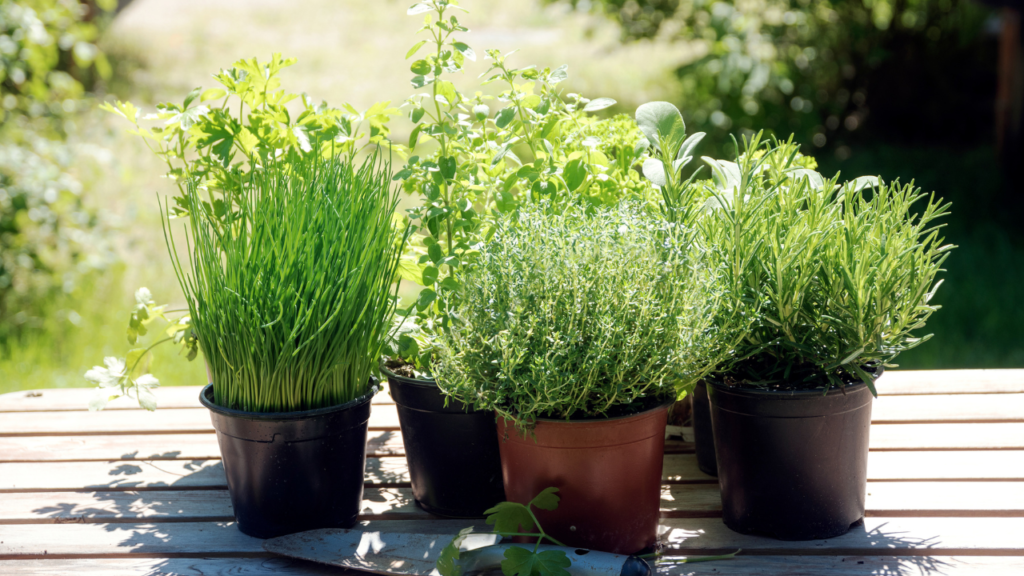
Culinary herbs are an easy way to add flavor, aroma, color, and variety to everyday meals. From fresh basil in a tomato salad to dried oregano in a pasta sauce, herbs can help make food more enjoyable without relying entirely on salt, sugar, or rich sauces for flavor.
But what exactly are culinary herbs? Are fresh herbs healthier than dried herbs? Which herbs work best in different dishes, and how should you store them to preserve their quality?
This complete guide explains what culinary herbs are, the differences between fresh and dried herbs, their common uses, practical preparation techniques, storage recommendations, and what scientific research can—and cannot—tell us about their potential health benefits.
The goal is to help you choose, prepare, and use herbs confidently as part of a varied, balanced eating pattern.
1. What Are Culinary Herbs?
Culinary herbs are edible plants or plant parts used to season, flavor, or garnish food. In everyday cooking, the term usually refers to the leaves and tender stems of aromatic plants, although some culinary traditions also use flowers and other plant parts.
Herbs contribute distinctive flavors and aromas that can range from sweet and floral to earthy, peppery, citrusy, and slightly bitter.
Common culinary herbs include basil, parsley, cilantro, mint, rosemary, thyme, oregano, dill, chives, and sage.
Herbs can be used fresh, dried, frozen, or incorporated into pastes, sauces, and seasoning blends. Their flavor varies with the plant variety, growing conditions, harvesting stage, processing method, and storage conditions.
The ScienceDirect overview of culinary herbs explains that herbs and spices are plant-derived ingredients traditionally used for their flavoring, aromatic, and visual properties.
Culinary herbs versus spices
Herbs and spices are often discussed together, but the terms generally refer to different parts of plants.
- Herbs commonly refer to leafy parts, such as basil leaves, parsley, mint, and thyme.
- Spices commonly come from other plant parts, including seeds, bark, roots, fruits, and flower buds.
Examples of spices include cinnamon bark, cumin seeds, turmeric rhizomes, black peppercorns, and cloves.
This distinction is useful for cooking, although it is not absolute. Some plants provide both culinary herbs and spices, and everyday usage varies between cultures.
2. Types of Culinary Herbs and Their Uses
Different herbs have distinctive aromas and flavors. Learning their characteristics makes it easier to select the right herb for a recipe.
Basil
Basil has a sweet, fresh aroma with notes that can be described as peppery or slightly anise-like, depending on the variety.
Common uses:
- Tomato salads and sandwiches
- Pesto and herb sauces
- Pasta and pizza
- Soups and vegetable dishes
- Fish and poultry recipes
Fresh basil is particularly useful in dishes where its aroma can be appreciated without prolonged cooking. Add it near the end of cooking or use it as a garnish when appropriate.
Parsley
Parsley has a clean, green flavor that can brighten savory dishes. Flat-leaf parsley is often used in cooking, while curly parsley is also common as a garnish.
Common uses:
- Soups and stews
- Salads and grain dishes
- Fish and poultry
- Sauces and dressings
- Roasted vegetables
Parsley can be chopped and added toward the end of cooking or used earlier when a recipe benefits from a more integrated flavor.
Cilantro
Cilantro refers to the fresh leaves and tender stems of the coriander plant. Its flavor is bright, citrusy, and distinctive. Some people experience its aroma as soapy, a difference associated with genetic variation in smell perception.
Common uses:
- Salsa and guacamole
- Bean dishes
- Curries and soups
- Tacos and rice bowls
- Southeast Asian and South Asian dishes
Cilantro is often added near the end of cooking to preserve its fresh aroma.
Mint
Mint has a refreshing aroma and a cooling sensation associated with compounds such as menthol in certain varieties.
Common uses:
- Fruit salads
- Yogurt-based sauces
- Tea and other beverages
- Grain salads
- Peas and other vegetables
Mint can be used in sweet or savory dishes. Start with a small quantity because its flavor can become dominant.
Rosemary
Rosemary has a strong, woody, pine-like aroma.
Common uses:
- Roasted potatoes
- Poultry and meat dishes
- Baked vegetables
- Bread and savory doughs
- Soups and braised dishes
Rosemary’s sturdy leaves make it suitable for longer cooking. Chop the leaves finely or use a sprig that can be removed before serving.
Thyme
Thyme has an earthy, slightly minty flavor. Its small leaves and sturdy stems work well in a variety of savory recipes.
Common uses:
- Soups and stews
- Roasted vegetables
- Beans and lentils
- Poultry and fish
- Sauces and stocks
Thyme can be added early in cooking to allow its flavor to develop.
Oregano
Oregano has a bold, earthy, slightly peppery flavor. Dried oregano is particularly common in Mediterranean-inspired cooking.
Common uses:
- Tomato sauces
- Pizza
- Roasted vegetables
- Bean dishes
- Marinades and salad dressings
Dried oregano is convenient for sauces and slow-cooked dishes, while fresh oregano can provide a greener, more delicate flavor.
Dill
Dill has a fresh, grassy aroma with slightly anise-like notes.
Common uses:
- Cucumber salads
- Fish dishes
- Yogurt sauces
- Potatoes
- Pickled vegetables
Fresh dill is delicate and is often added near the end of cooking. Dried dill is useful in dressings and other recipes where fresh herbs are unavailable.
Chives
Chives have a mild onion-like flavor.
Common uses:
- Eggs and omelets
- Potatoes
- Salads and dressings
- Soups
- Yogurt-based dips
Chives are usually chopped and added near the end of preparation to preserve their fresh flavor and appearance.
Sage
Sage has an earthy, savory aroma that can be slightly peppery.
Common uses:
- Stuffing
- Roasted vegetables
- Bean dishes
- Poultry
- Pasta sauces
Sage has a pronounced flavor, so use it in quantities appropriate to the recipe.
Tarragon
Tarragon has a distinctive sweet, anise-like flavor.
Common uses:
- Salad dressings
- Egg dishes
- Fish and poultry
- Mustard-based sauces
- Vegetable dishes
Tarragon is useful when a recipe needs a delicate herbal flavor with a slight licorice-like note.
Marjoram
Marjoram is related to oregano but is generally more delicate and sweetly aromatic.
Common uses:
- Vegetable soups
- Bean dishes
- Tomato sauces
- Poultry
- Salad dressings
Marjoram can be used fresh or dried, depending on the recipe and the flavor intensity desired.
3. Fresh Herbs vs. Dried Herbs: What Is the Difference?
Fresh and dried herbs can come from the same plant, but drying removes much of their water. This changes their weight, texture, concentration by weight, and sometimes their aroma and flavor.
Fresh herbs generally have a softer texture, a greener appearance, and a fresh aroma. Dried herbs are more concentrated by weight because much of their water has been removed.
Drying also changes the chemical composition of some herbs. Certain aromatic compounds can be lost or altered during processing, while others may remain relatively stable. The result depends on the herb and drying method.
Comparison of fresh and dried herbs
| Feature | Fresh herbs | Dried herbs |
|---|---|---|
| Water content | High | Much lower |
| Texture | Soft, leafy, or tender | Dry, brittle, or crumbly |
| Flavor | Often fresh, green, and delicate | Often more concentrated by weight |
| Aroma | Can be bright and delicate | May be stronger in some recipes but less fresh or complex |
| Storage | Usually requires refrigeration or other suitable fresh-storage methods | Can be stored in a dry, airtight container |
| Shelf life | Generally shorter | Generally longer when properly stored |
| Preparation | Often requires washing and chopping | Usually ready to measure and add |
| Best applications | Salads, garnishes, fresh sauces, and finishing dishes | Soups, stews, marinades, sauces, and dry seasoning blends |
Neither form is universally better. The best choice depends on the herb, recipe, availability, and the flavor you want.
4. Are Fresh Herbs Healthier Than Dried Herbs?
Fresh herbs are not automatically healthier than dried herbs, and dried herbs are not automatically more nutritious.
Herbs contain different amounts of naturally occurring compounds, including polyphenols, flavonoids, and volatile aromatic substances. These compounds contribute to their flavor, aroma, color, and biological activity.
Drying can reduce the amount of some heat-sensitive or volatile compounds, but the effects vary by plant and processing method. Other compounds may be retained to different degrees.
Fresh herbs contain more water, so comparing equal weights can be misleading. A gram of dried herb represents a different amount of original plant material from a gram of fresh herb.
For this reason, the nutritional comparison depends on the herb, the amount used, the compound being measured, and the preparation method.
A 2014 review in the International Journal of Molecular Sciences discusses the bioactive properties of culinary herbs and spices, the contribution of polyphenols, and the challenges of establishing their actual health benefits.
Evidence assessment: Differences in water content and the effects of drying on plant compounds are established food-science principles. A general claim that fresh herbs are healthier than dried herbs is not established.
5. Potential Health Benefits of Culinary Herbs
Culinary herbs contain a range of naturally occurring compounds. Researchers study these compounds to understand their properties and whether they may contribute to health when consumed as part of the diet.
However, it is important to distinguish laboratory findings from demonstrated benefits in people.
Antioxidant activity
Some herbs contain polyphenols and other compounds that show antioxidant activity in laboratory tests.
Antioxidants can interact with reactive molecules under particular chemical conditions. However, the antioxidant activity measured in a laboratory does not establish that eating an ordinary serving of an herb will prevent a particular disease.
The 2019 review on the health benefits of culinary herbs and spices examines the bioactive compounds found in culinary ingredients and the potential health effects investigated in research.
Evidence strength: The presence of antioxidant compounds in many herbs is well established. Specific disease-prevention benefits from normal culinary servings remain less certain.
Polyphenols and other plant compounds
Polyphenols are a broad group of plant compounds that include flavonoids and phenolic acids. They occur in many foods, including fruits, vegetables, tea, and herbs.
Different herbs contain different combinations and concentrations of these substances. Growing conditions, processing, storage, and cooking can affect their measured levels.
Researchers continue to investigate how these compounds are absorbed, metabolized, and used by the body.
Evidence strength: The presence of polyphenols in herbs is established. The size and significance of any health effect from a particular herb depend on the compound, dose, and quality of human evidence.
Supporting flavorful, varied meals
One practical benefit of culinary herbs is their ability to improve the flavor of food.
Basil, parsley, thyme, rosemary, mint, and other herbs can add flavor without requiring large amounts of salt or sugar. Using herbs may help some people create satisfying meals with a wider range of flavors.
This does not mean herbs automatically reduce sodium or sugar intake. The outcome depends on the recipe and what ingredients they replace.
Evidence strength: Herbs clearly contribute flavor. Whether their use improves an individual’s overall diet depends on how they are incorporated into meals.
Do culinary herbs prevent or treat disease?
Current evidence does not justify treating ordinary culinary herbs as substitutes for medical care or prescribed treatment.
Some laboratory and preliminary human research investigates possible effects on inflammation, blood glucose, blood lipids, and other health measures. Findings vary by herb, preparation, dose, and study design.
A concentrated extract or essential oil is not equivalent to a small amount of an herb used in cooking.
For an evidence-based overview, see Jiang’s review of culinary herbs and spices and the 2025 review, From phytochemicals to recipes: health indications and culinary uses of herbs and spices.
6. How to Use Fresh Herbs in Cooking
Fresh herbs can add flavor and color to a wide range of dishes. Their delicate texture and aromatic compounds make timing especially important.
Add delicate herbs near the end
Basil, cilantro, parsley, mint, chives, and dill are often best added near the end of cooking or just before serving.
Prolonged heating can diminish some of their fresh aromas and change their color and texture.
For example, chopped cilantro added to a finished soup will provide a different flavor experience from cilantro simmered in the soup for a long time.
Add sturdy herbs earlier
Rosemary, thyme, and some forms of sage have sturdier leaves and can work well in dishes that cook for longer periods.
They can be added to soups, stews, braised dishes, and roasted vegetables. Remove woody stems when appropriate.
Use fresh herbs in uncooked dishes
Fresh herbs are especially useful in recipes where their aroma and texture remain noticeable.
Examples include:
- Tomato and cucumber salads with basil or parsley
- Yogurt sauces with mint or dill
- Fresh salsa with cilantro
- Herb dressings with parsley and chives
- Sandwiches with basil or other tender herbs
Make simple herb sauces
Chopped fresh herbs can be combined with ingredients such as olive oil, lemon juice, vinegar, garlic, yogurt, or other seasonings to make dressings and sauces.
Keep the ingredients and proportions appropriate for the intended dish. Refrigerate perishable herb mixtures promptly, particularly when they contain fresh garlic or other ingredients that require careful storage.
7. How to Use Dried Herbs in Cooking
Dried herbs are useful when fresh herbs are unavailable or when a recipe benefits from a more concentrated herbal flavor.
Add dried herbs to soups and stews
Dried oregano, thyme, rosemary, and marjoram can be added during cooking to allow their flavors to disperse.
The amount and timing depend on the recipe. Begin with a modest quantity and adjust according to taste.
Use dried herbs in marinades and seasoning blends
Dried herbs are convenient for combining with ingredients such as black pepper, garlic, paprika, and other seasonings.
They can be used in marinades, vegetable seasonings, and dry rubs. If a blend contains salt, check the amount so you can manage the seasoning of the finished dish.
Crush dried herbs before adding them
Gently rubbing some dried herbs between clean fingers can break up the leaves and release their aroma.
This is particularly useful when dried leaves are large or coarse. Avoid crushing them far in advance if preserving aroma is important.
Check the flavor before adding more
Dried herbs vary in potency according to their type, age, processing, and storage.
An older dried herb may contribute little flavor, while a fresh, well-stored product may be much more aromatic. Taste the food when appropriate and adjust gradually.
8. Can You Substitute Fresh Herbs for Dried Herbs?
Yes. Many fresh herbs can be substituted for dried herbs, but they are not always interchangeable in equal quantities.
Because fresh herbs contain more water, a larger volume is often needed to produce a similar herbal intensity. A common starting point is:
Three parts fresh herbs to one part dried herbs by volume.
For example, if a recipe calls for 1 teaspoon of dried oregano, you could start with approximately 1 tablespoon of chopped fresh oregano.
This is a practical cooking guideline rather than a scientifically fixed conversion. The ideal amount varies by herb, freshness, particle size, and recipe.
Fresh-to-dried herb substitution guide
| Fresh herb amount | Approximate dried amount |
|---|---|
| 1 tablespoon chopped fresh basil | 1 teaspoon dried basil |
| 1 tablespoon chopped fresh oregano | 1 teaspoon dried oregano |
| 1 tablespoon chopped fresh thyme | 1 teaspoon dried thyme |
| 1 tablespoon chopped fresh rosemary | 1 teaspoon dried rosemary |
| 1 tablespoon chopped fresh parsley | 1 teaspoon dried parsley |
| 1 tablespoon chopped fresh dill | 1 teaspoon dried dill |
These ratios are starting points, not guarantees of equal flavor. Delicate herbs may lose some of their characteristic freshness during drying, and different products can vary substantially in potency.
When substitution may not work well
Fresh and dried herbs may produce noticeably different results in:
- Fresh salads and garnishes
- Pesto and uncooked sauces
- Dishes where the green color and texture of fresh leaves are important
- Recipes that depend on a very delicate aroma
For these preparations, fresh herbs are often preferable.
9. How to Wash and Prepare Fresh Herbs
Fresh herbs can carry soil and microorganisms from growing, harvesting, transport, and handling. Appropriate washing and storage help reduce avoidable contamination.
Follow these steps:
- Inspect the herbs. Remove damaged, slimy, or visibly spoiled leaves.
- Wash under clean running water. Gently rinse herbs before cutting or using them. Do not use soap or household cleaning products on produce.
- Remove excess water. Use a clean salad spinner or gently pat the herbs dry with clean paper towels.
- Chop with clean equipment. Use a clean knife and cutting board.
- Prepare as needed. Chopping herbs shortly before use can help preserve their aroma and appearance.
Follow any specific handling instructions provided on the product packaging.
Are fresh herbs safe to eat raw?
Fresh herbs can be eaten raw when handled appropriately, but washing does not eliminate all microorganisms.
Buy herbs from reputable sources, wash them under running water, prevent cross-contamination, and refrigerate cut or prepared herbs as appropriate.
People who are at increased risk of foodborne illness should follow the relevant food-safety advice from their healthcare professional or public health authorities.
10. How to Store Fresh Herbs
Fresh herbs can wilt or deteriorate quickly if they lose too much moisture or are exposed to unsuitable temperatures.
Different herbs respond differently to storage. A single method will not work equally well for every variety.
Store tender herbs appropriately
Parsley, cilantro, and mint may keep well when their stems are placed in a clean container with a small amount of water and the leaves are loosely covered. Depending on the herb, refrigeration may help preserve quality.
Change the water regularly and discard any herbs that become slimy or spoiled.
Store basil carefully
Basil can be sensitive to cold temperatures. Depending on the variety and condition of the plant, it may be better stored at a moderate room temperature rather than in a very cold refrigerator.
Keep it away from direct sunlight and excessive heat, and use it while the leaves remain fresh.
Store sturdy herbs in the refrigerator
Rosemary and thyme can often be stored in the refrigerator, loosely wrapped in a clean, slightly damp paper towel and placed in a suitable container or bag.
Avoid trapping excess moisture, which can encourage deterioration.
General fresh-herb storage tips
- Buy quantities you can use within a reasonable period.
- Remove damaged leaves before storage.
- Avoid crushing delicate leaves unnecessarily.
- Keep herbs away from raw meat, poultry, and seafood.
- Store washed herbs only after removing excess surface moisture.
- Inspect stored herbs regularly and discard spoiled portions.
For additional preparation and storage guidance, consult the University of Florida’s Cooking with Fresh Herbs fact sheet. If the supplied link does not resolve to the intended fact sheet, the University’s published Cooking with Fresh Herbs resource is a related reference.
11. How to Store Dried Herbs
Dried herbs generally keep longer than fresh herbs because drying removes much of the water that supports microbial growth.
However, dried herbs can still lose aroma, absorb moisture, or become contaminated if stored improperly.
Best practices for storing dried herbs
Use airtight containers. Keep dried herbs in tightly sealed containers to reduce exposure to air and humidity.
Choose a cool, dry location. A cupboard away from the stove, oven, and direct sunlight is usually suitable.
Keep moisture out. Use clean, dry measuring spoons and avoid exposing containers to steam.
Label containers. Write the herb name and purchase or opening date on the container.
Buy appropriate quantities. Smaller packages may be more practical for herbs used infrequently.
Check aroma regularly. If a dried herb has little characteristic smell or contributes very little flavor, its quality may have declined.
How long do dried herbs last?
There is no single shelf life that applies to every dried herb. Storage conditions, packaging, processing, and the herb itself all influence quality.
A dried herb can lose its flavor before it becomes visibly spoiled. Conversely, the absence of a bad smell does not prove that a product is free from contamination.
Follow the package instructions and discard products that show signs of moisture damage, visible mold, or contamination.
12. Can You Grow Culinary Herbs at Home?
Yes. Many culinary herbs can be grown in containers, garden beds, or suitable indoor growing spaces.
Growing herbs at home can make small amounts of fresh seasoning readily available and may reduce the need to purchase larger packages.
Easy herbs for beginners
Basil: Often grows well in warm conditions with adequate sunlight.
Parsley: Can be grown in a suitable container or garden bed.
Chives: A useful option for small spaces and repeated harvesting.
Mint: Can grow vigorously, so a separate container is often helpful.
Thyme: A relatively compact herb that generally prefers well-drained soil.
Rosemary: Needs suitable light, drainage, and growing conditions.
Cilantro: Often performs better in cooler conditions and may bolt quickly in hot weather.
Basic growing tips
- Choose a container with drainage holes.
- Use a growing medium appropriate for herbs.
- Provide light suited to the plant variety.
- Water according to the plant’s needs rather than following a rigid schedule.
- Harvest without removing so much foliage that the plant cannot recover.
- Inspect plants for pests and disease before harvesting.
Growing requirements vary by species, climate, and growing environment. Follow plant-specific guidance for the best results.
13. How to Dry Fresh Herbs at Home
Drying herbs can preserve some of the harvest for later cooking. The appropriate method depends on the herb, local humidity, equipment, and the conditions needed to dry it thoroughly.
Air-drying
Air-drying can work for some herbs when conditions are sufficiently dry and clean.
- Inspect and gently clean the herbs as appropriate.
- Remove excess water.
- Tie small bundles or spread the herbs on a clean drying surface.
- Keep them in a clean, well-ventilated location away from direct sunlight.
- Check regularly for signs of moisture retention, mold, or spoilage.
- Store only when the herbs are thoroughly dry.
Thick stems and fleshy leaves may require a different drying method because they can retain moisture longer.
Using a dehydrator
A food dehydrator can provide more controlled drying conditions. Follow the equipment manufacturer’s instructions and any reliable guidance specific to the herb.
How do you know when herbs are dry?
Many dried leafy herbs become brittle and crumble easily. However, texture alone may not guarantee that the entire plant material is sufficiently dry for safe storage.
If herbs retain moisture, they may develop mold in the storage container. Do not store herbs that show signs of mold or spoilage.
14. Are Dried Herbs Safe?
Dried herbs are convenient pantry ingredients, but drying does not necessarily eliminate all harmful microorganisms.
A 2026 review, Culinary herbs and spices: A review of microbiological and physical risks and current regulatory, discusses contamination risks throughout production, processing, packaging, and handling.
The review explains that dried herbs and spices may still contain microorganisms that survive low-moisture conditions. Contamination can occur at multiple points in the supply chain.
Practical food-safety measures
- Buy herbs from reputable suppliers.
- Inspect packages for damage and moisture.
- Store dried herbs in clean, dry, sealed containers.
- Follow package instructions for use and storage.
- Prevent cross-contamination during food preparation.
- Do not assume that drying or washing makes a contaminated product safe.
Whole dried leaves, crushed herbs, and powdered products can all carry contamination risks. Physical form alone does not determine safety.
15. How to Add Flavor with Herbs While Managing Sodium
Herbs can help make meals more flavorful. Their use may be particularly helpful when you want to build flavor without depending entirely on salt.
Examples include:
- Adding basil, parsley, and oregano to tomato sauces.
- Using dill, mint, or chives in yogurt-based sauces.
- Combining rosemary and thyme with roasted vegetables.
- Adding cilantro and lime to beans or rice.
- Using fresh herbs, garlic, citrus, and vinegar to create flavorful dressings.
Herbs do not automatically reduce sodium intake. If you add herbs while keeping the same amount of salt, the sodium content may remain unchanged.
For people who need to manage sodium intake, herbs can be part of a broader approach that includes checking food labels, selecting lower-sodium products, and adjusting salt in recipes where appropriate.
16. Common Mistakes When Cooking with Herbs
Adding delicate herbs too early
Basil, cilantro, mint, and chives can lose some of their fresh aroma during prolonged cooking. Consider adding them near the end.
Using too much of a strong herb
Rosemary, sage, and some other herbs can dominate a dish. Start with a modest quantity and adjust gradually.
Treating all herbs the same
Different herbs have different textures, aromas, and responses to heat. Cooking methods should suit the herb and recipe.
Storing fresh herbs while excessively wet
Excess moisture can accelerate deterioration. Remove surface water before storage when appropriate.
Keeping dried herbs near heat and steam
Heat, light, air, and moisture can reduce quality. Store dried herbs in sealed containers away from these conditions.
Assuming dried herbs are always more flavorful
Dried herbs can be more concentrated by weight, but processing and storage can reduce aroma. A fresh herb may provide a flavor that dried herbs cannot fully reproduce.
Treating herbs as medicine
Evidence about isolated plant compounds or concentrated extracts does not automatically establish a medical benefit from ordinary culinary use. Use herbs to season food, not as substitutes for appropriate medical treatment.
17. Frequently Asked Questions About Culinary Herbs
What are the most common culinary herbs?
Common culinary herbs include basil, parsley, cilantro, mint, rosemary, thyme, oregano, dill, chives, sage, and tarragon.
What is the difference between herbs and spices?
Herbs commonly refer to leafy plant parts, while spices often come from seeds, bark, roots, fruits, or flower buds. The distinction is useful but not absolute.
Are fresh herbs better than dried herbs?
Neither is always better. Fresh herbs are often preferred for delicate aromas, fresh sauces, salads, and garnishes. Dried herbs are convenient for pantry storage, marinades, seasoning blends, and many cooked dishes.
Can I use dried herbs instead of fresh herbs?
Yes, in many recipes. A common starting point is one part dried herb for three parts fresh herb by volume. Adjust according to the herb, its potency, and the dish.
Which herbs are best for cooking meat?
Rosemary, thyme, sage, oregano, and parsley are commonly used with meat and poultry. The best choice depends on the recipe and the flavor profile you want.
Which herbs work well with vegetables?
Basil, thyme, rosemary, oregano, parsley, dill, and chives can complement a wide range of vegetables. Mint can also work well with peas and certain vegetable salads.
Which herbs are best for soups?
Thyme, parsley, bay leaves, oregano, and rosemary are common choices. Add sturdy herbs earlier when longer cooking is appropriate, and add delicate herbs near the end.
How should I store fresh herbs?
Storage depends on the herb. Some leafy herbs may benefit from refrigeration in a suitable container, while basil can be sensitive to cold. Remove spoiled leaves and prevent excess moisture buildup.
Can I freeze fresh herbs?
Yes. Many herbs can be frozen, although their texture may change. Frozen herbs can work well in cooked dishes, sauces, and soups. They may be less suitable for garnishes where crisp texture and fresh appearance matter.
Are dried herbs nutritious?
Dried herbs retain some naturally occurring plant compounds, but the amounts vary with the herb, processing, and storage. They should not be treated as concentrated nutritional supplements.
Do herbs contain antioxidants?
Many herbs contain compounds that show antioxidant activity in laboratory studies. This does not by itself prove that ordinary culinary servings prevent or treat disease.
Can culinary herbs cause side effects?
Culinary use is different from taking concentrated extracts or essential oils. Allergies, individual sensitivities, and interactions involving concentrated herbal products are possible. Anyone using herbs medicinally or taking concentrated preparations should consult a qualified healthcare professional when appropriate.
Conclusion
Culinary herbs are versatile ingredients that can add flavor, aroma, color, and variety to everyday meals. Fresh herbs are useful for salads, garnishes, sauces, and dishes where a bright herbal aroma is important. Dried herbs are convenient for pantry storage, seasoning blends, marinades, and many cooked dishes.
Understanding how herbs differ, when to add them, and how to store them helps you use them more effectively and reduce waste.
Herbs also contain naturally occurring plant compounds that researchers continue to study. Although laboratory research and preliminary human findings can be informative, claims about disease prevention or treatment require stronger, specific evidence.
For everyday cooking, the most practical approach is to choose good-quality herbs, handle them safely, store them properly, and use them to make varied meals more flavorful and enjoyable.
References and Evidence Notes
- Jiang, T. A. (2019). Health Benefits of Culinary Herbs and Spices. Journal of AOAC INTERNATIONAL, 102(2), 395–411. Read the article.
- Kaur, R., Zhang, S., Berwal, B., Ray, S., and Kumar, R. (2025). From phytochemicals to recipes: health indications and culinary uses of herbs and spices. npj Science of Food, 9, 89. Read the article.
- Culinary Herbs and Spices: Their Bioactive Properties, the Contribution of Polyphenols and the Challenges in Deducing Their True Health Benefits. International Journal of Molecular Sciences (2014). Read the article.
- Minton, E., and Maddox, M. Cooking with Fresh Herbs. University of Florida, IFAS Extension. Read the resource.
- Culinary herbs and spices: A review of microbiological and physical risks and current regulatory. Food and Humanity (2026). Read the review.
- Culinary Herbs: An Overview. ScienceDirect Topics. Explore the overview.