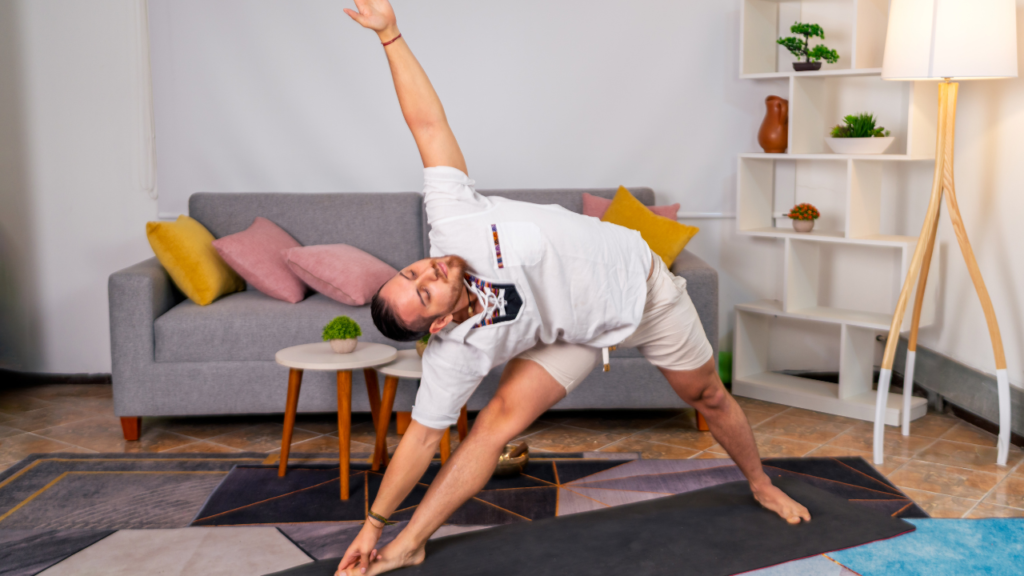
Osteoarthritis is the most common form of joint disease, affecting millions of adults worldwide. It happens when the smooth protective tissue at the ends of your bones gradually breaks down over time. While it is often called a “wear-and-tear” condition, it actually affects the entire joint, including the surrounding bones, ligaments, and tissues.
What Causes Osteoarthritis?
Osteoarthritis develops through a combination of physical strain, body chemistry, and individual risk factors. Excess pressure or repeated stress damages the joint structures over time.
- Joint Injuries: Past accidents, sports injuries, or torn ligaments can trigger cartilage breakdown, even years after the original damage occurred.
- Repetitive Stress: Jobs or physical activities that involve repetitive bending, lifting, or twisting can place continuous stress on specific joints.
- Excess Body Weight: Carrying extra weight adds direct mechanical pressure to load-bearing joints like hips and knees. Fat tissue also produces proteins that cause harmful inflammation around the joints.
- Aging and Genetics: The risk of developing osteoarthritis increases with age, and some people inherit a higher genetic tendency to develop joint changes.
The Biological Process of Cartilage Loss
In a healthy joint, smooth cartilage acts as a slippery cushion that allows bones to glide effortlessly against each other. When osteoarthritis sets in, this protective mechanism slowly breaks down through distinct biological stages.
Healthy Cushioning ➔ Microscopic Surface Damage ➔ Cartilage Thinning & Cracking ➔ Bone-on-Bone Friction
First, the joint tissue attempts to repair subtle damage, causing cartilage to absorb excess water, soften, and lose its firm structure. As surface cracks expand, the tissue degrades faster than the body can rebuild it. Eventually, the cartilage completely wears away, leaving bare bone surfaces to rub directly against one another.
Physical Changes Inside the Joint
Osteoarthritis transforms the overall structure and alignment of the entire joint system. These anatomical alterations lead to progressive pain, swelling, and reduced physical mobility.
| Affected Joint Feature | What Happens During Osteoarthritis | Impact on Daily Function |
| Cartilage Cushion | Wears thin, breaks down, and loses its smooth surface. | Increases friction, causing stiffness and deep joint pain. |
| Underlying Bone | Develops tiny cavities, hardens, and forms bony outgrowths (bone spurs). | Causes visible joint enlargement, grinding sensations, and tenderness. |
| Joint Lining (Synovium) | Becomes inflamed and swells with extra fluid. | Leads to joint warmth, swelling, and puffiness after activity. |
| Ligaments & Muscles | Connective tissues stretch while surrounding muscles weaken from disuse. | Results in joint instability, balance issues, or knees giving out. |
Managing Progressive Joint Changes
While structural joint damage from osteoarthritis cannot be reversed, several core strategies can slow its progress and reduce symptoms.
- Stay Active: Low-impact exercises like swimming, walking, and gentle stretching strengthen supporting muscles and keep joints flexible.
- Manage Weight: Shedding excess weight significantly reduces mechanical stress on your knees, hips, and lower back.
- Protect Joints: Using supportive footwear, ergonomic tools, or joint braces helps reduce repetitive daily strain.
anaging osteoarthritis (OA) pain effectively typically involves a combination of non-pharmacological therapies, medications, and joint-targeted medical procedures. Major medical organizations—including the American College of Rheumatological (ACR) and the Osteoarthritis Research Society International (OARSI)—recommend starting with conservative treatments and stepping up to clinical options as needed.
1. Physical Therapy & Active Exercise Strategies
Physical therapy and structured exercise are considered core, first-line treatments for osteoarthritis. Strengthening surrounding muscles helps reduce the physical load directly placed on damaged joint cartilage.
- Targeted Muscle Strengthening: Therapists focus on stabilizing muscles around affected joints. For example, building quadriceps strength reduces mechanical force on the knee joint by acting as a shock absorber.
- Low-Impact Aerobic Exercise: Activities like swimming, stationery cycling, and water aerobics improve cardiovascular endurance without subjecting weight-bearing joints to harsh impacts.
- Neuromuscular & Balance Training: Programs incorporating Tai Chi or balance drills help improve joint position awareness (proprioception) and reduce fall risks.
- Joint Protection & Biomechanics: Physical therapists teach gait adjustment, proper posture, and energy conservation techniques to avoid unnecessary joint strain during daily activities.
2. Medications & Topicals
Pharmacological options focus on reducing joint pain and controlling local inflammation to make movement easier.
- Topical NSAIDs: Gels containing diclofenac (such as Voltaren) are often recommended as first-line medical treatments—especially for knees and hands—because they deliver targeted pain relief directly to the joint with fewer stomach or cardiovascular risks than oral pills.
- Oral NSAIDs: Medications like ibuprofen, naproxen, or prescription celecoxib reduce pain and inflammation. Doctors monitor these closely when used long-term due to potential side effects on the digestive system and kidneys.
- Acetaminophen (Tylenol): Provides modest pain relief for mild symptoms, though recent clinical guidelines favor topical or oral NSAIDs for more consistent inflammatory control.
- Serotonin-Norepinephrine Reuptake Inhibitors (SNRIs): Prescription medications like duloxetine are FDA-approved to help manage chronic musculoskeletal pain by altering how the brain processes long-term pain signals.
3. Injections & Interventional Procedures
When physical therapy and over-the-counter or oral medications are not sufficient during flare-ups, doctors may suggest joint-directed medical treatments.
- Corticosteroid Injections: Cortisone shots injected directly into the joint space offer rapid, potent anti-inflammatory relief for acute pain flare-ups. These typically provide temporary relief lasting a few weeks to several months.
- Viscosupplementation (Hyaluronic Acid): Injections of hyaluronic acid attempt to restore lubrication in the knee joint fluid. Response varies among patients, and guidelines generally recommend it on an individual basis.
- Radiofrequency Ablation (RFA): A minimally invasive procedure that uses heat to temporarily stun the specific sensory nerves transmitting pain signals from the joint to the brain.
4. Assistive Devices & Bracing
External support devices help redistribute body weight and stabilize shifting or loose joints.
- Unloader Knee Braces: Designed for single-sided knee arthritis, braces like the DonJoy OA Nano Knee Brace or the Brace Align OA ROM Unloader Knee Brace shift body load away from the damaged area to reduce bone-on-bone pain during walking.
- Compressive Knee Supports: Sleeves like the Bauerfeind GenuTrain A3 Knee Support provide medical-grade compression and pad support to improve joint stability and reduce localized swelling.
- Walking Aids: Using a cane in the hand opposite the painful hip or knee can decrease joint pressure by up to 10–15% during daily movement.
Weight Management Protocols for OA?
Both unloader knee braces and weight loss manage knee osteoarthritis by changing joint biomechanics—reducing mechanical stress on damaged cartilage.
How Unloader Knee Braces Work
Unloader braces redistribute physical forces away from damaged cartilage to healthier parts of the knee.
- Targeted Load Shift: The knee has three compartments: inner (medial), outer (lateral), and kneecap (patellofemoral). Osteoarthritis usually attacks the inner side first.
- 3-Point Leverage: An unloader brace uses a rigid frame and adjustable straps to push against the joint. This creates a gentle hinge effect that slightly opens up the worn side.
- Bone-on-Bone Relief: By creating space in the narrowed joint, the brace prevents the bones from rubbing directly together during movement.
- Functional Benefit: Users often report immediate pain reduction while walking, improved knee stability, and the ability to exercise without severe flare-ups.
Without Brace: Weight Pressing on Worn Inner Joint ➔ Bone-on-Bone Friction & Pain
With Unloader:  Leverage Shifts Force to Outer Joint ➔ Inner Space Opens & Pain Decreases
How Weight Loss Impacts Joint Pressure
The relationship between body weight and knee pressure is non-linear due to leverage forces created while walking.
- The 4-to-1 Force Ratio: Every single pound of body weight lost removes 4 pounds of pressure from the knee joints with each step.
- Walking Impact: For a person who loses 10 pounds, that equates to a 40-pound reduction in load on the knees during every single stride.
- Reduced Inflammatory Proteins: Body fat is active tissue that releases systemic inflammatory chemicals (cytokines) into the bloodstream. Losing fat decreases these chemical signals, which further slows cartilage breakdown.
- Long-Term Benefit: Dropping just 5–10% of total body weight noticeably reduces daily joint pain, slows structural disease progression, and improves overall physical mobility.
Physical Therapy Exercises to Pair with Bracing?
Using an unloader knee brace while exercising creates a protective window: the brace relieves mechanical bone-on-bone friction, allowing you to train key stabilizing muscles without provoking severe joint pain.
Key Muscle Targets
The goal is to build a “muscular shock absorber” around the knee joint.
- Quadriceps (Front Thigh): The primary shock absorber that controls knee bending and prevents the joint from collapsing during weight-bearing movements.
- Hamstrings & Glutes (Back Thigh & Hips): Stabilize the back of the knee and maintain proper pelvis alignment to prevent excess load on the inner joint line.
- Hip Abductors (Outer Thighs): Keep the pelvis level when standing on one leg, preventing the knee from angling inward (valgus/varus collapse).
Ideal Exercises to Pair With an Unloader Brace
When wearing your unloader brace, focus on low-impact, controlled strength and mobility drills.
1. Open-Chain Strength (Minimal Joint Load)
These exercises strengthen the quadriceps without forcing the knee joint to bear your full body weight.
- Straight Leg Raises: Lie on your back with one leg bent and the target leg straight. Tighten your quad and raise the straight leg to the height of the opposite knee. Hold for 3 seconds, then lower slowly. (3 sets of 10–12 reps)
- Seated Quadriceps Sets: Sit with your leg extended straight out on a firm surface. Squeeze your thigh muscle, pressing the back of your knee down flat. Hold the contraction for 5–10 seconds. (10–15 reps per side)
- Terminal Knee Extensions (TKEs): Anchor an elastic resistance band at knee height. Loop it behind your knee while facing the anchor point. Step back to create tension, then straighten your knee against the band’s pull by contracting your quad. (3 sets of 15 reps)
2. Closed-Chain Functional Movements (With Brace On)
The unloader brace shines during these functional weight-bearing exercises by keeping the joint aligned.
- Wall Slides / Mini-Squats: Stand with your back flat against a wall, feet shoulder-width apart. Slowly slide down into a shallow squat (no deeper than a 45-degree angle at the knees). Hold for 5 seconds and slide back up. (2–3 sets of 10 reps)
- Step-Ups (Low Platform): Use a low step (2 to 4 inches high). Step up using your target leg, focusing on keeping the knee tracking over your second toe without collapsing inward. Slowly step back down. (3 sets of 10 reps per leg)
- Side-Lying Hip Abductions: Lie on your side and raise the top leg straight up toward the ceiling, keeping your toes pointed slightly downward to target the gluteus medius. (3 sets of 12 reps)
3. Low-Impact Aerobic Conditioning
Combining the brace with smooth, cyclic motion boosts synovial fluid movement, which nourishes remaining cartilage.
- Stationary Cycling: Set the seat high enough so your leg is nearly straight at the bottom of the pedal stroke. This minimizes deep knee flexion stress while building muscle endurance.
- Water Aerobics / Aquatic Walking: Water buoyancy reduces joint impact by up to 75–90% while providing gentle resistance for quad and hamstring strengthening.
Exercise Guidelines & Safety Tips
- Don the Brace First: Put your unloader brace on before starting your warm-up or strength routine so your knee is properly aligned from the first movement.
- Respect the Pain Scale: Mild muscle discomfort or a slight ache (1–3 out of 10) is acceptable, but sharp, catching, or increasing joint pain means you should reduce the range of motion or stop the exercise.
- Avoid Deep Knee Bends: Limit squats and lunges to shallow angles (under 45–60 degrees of knee flexion) to prevent high compressive force behind the kneecap.
Weekly Exercise Schedule for Knee Osteoarthritis Combining these Strength Drills and Cardio?
This 7-day routine balances muscle strengthening, low-impact cardio, and essential recovery days. Keep your unloader knee brace on during all weight-bearing exercises, walking, and standing strength workouts to keep joint pressure low.
Weekly Exercise Schedule
| Day | Focus Area | Activity & Exercises | Duration | Brace Needed? |
| Monday | Quad & Hip Strength | • Warm-up: 5-min flat walking • Straight Leg Raises (3×10) • Seated Quad Sets (10 reps, 5-sec hold) • Side-Lying Hip Abductions (3×12) | 25–30 min | Yes (during walking & standing) |
| Tuesday | Low-Impact Cardio | • Stationary cycling (smooth, low resistance) • Gentle hamstring & calf stretches | 20–30 min | Optional (usually not needed on a bike) |
| Wednesday | Functional Strength | • Warm-up: 5-min flat walking • Wall Slides / Mini-Squats (2×10) • Low Step-Ups (3×10 per leg) • Terminal Knee Extensions (3×15) | 25–30 min | Yes |
| Thursday | Active Recovery | • Pool walking or water aerobics • Light upper-body stretching | 30 min | No (water provides buoyancy) |
| Friday | Total Lower-Body Strength | • Seated Quad Sets & Straight Leg Raises • Side-Lying Hip Abductions • Terminal Knee Extensions | 25–30 min | Yes |
| Saturday | Cardio & Endurace | • Outdoor or treadmill flat walking • Focus on proper heel-to-toe gait | 20–30 min | Yes |
| Sunday | Full Rest Day | • Gentle range-of-motion stretches • Ice/heat as needed for recovery | 10–15 min | No |
Tips for Success
- Warm Up & Cool Down: Always start with 5 minutes of light movement to circulate synovial fluid in the joint, and end with gentle hamstring, calf, and thigh stretches.
- The 2-Hour Pain Rule: It is normal to feel minor muscle fatigue. However, if your knee joint pain increases significantly 2 hours after exercising, reduce your reps or range of motion in the next session.
- Stay Consistent over Intense: Three shorter, low-intensity sessions per week build far better joint stability than one long, exhausting workout.
Best Anti-inflammatory Diet Strategies and Foods to help Reduce Osteoarthritis Pain?
While no diet can cure osteoarthritis or rebuild lost cartilage, an anti-inflammatory eating pattern helps reduce systemic inflammation and ease pain. Lowering systemic inflammatory markers (like C-reactive protein) relieves pressure on joint tissue and helps prevent further joint degradation.
The gold standard for joint health is the Mediterranean-style diet, which focuses on whole, nutrient-dense foods.
Key Foods to Include
- Fatty Fish (Omega-3s): Salmon, mackerel, sardines, trout, and tuna are rich in omega-3 fatty acids, which actively block inflammatory pathways in the body. Aim for 2 servings per week.
- Extra Virgin Olive Oil: Contains oleocanthal, a natural compound that inhibits the same inflammatory enzymes as ibuprofen. Use it as your primary cooking oil or salad dressing.
- Berries & Dark Leafy Greens: Blueberries, blackberries, spinach, and kale are packed with antioxidants and polyphenols that protect joint tissue from oxidative stress.
- Nuts & Seeds: Walnuts, chia seeds, and flaxseeds provide plant-based omega-3s, magnesium, and healthy fats that support overall joint and heart health.
- Cruciferous Vegetables: Broccoli, Brussels sprouts, and cabbage contain sulforaphane, a compound shown in studies to slow cartilage destruction.
- Garlic & Onions: Contain diallyl disulfide, an anti-inflammatory compound that helps limit cartilage-damaging enzymes.
Foods to Limit or Avoid
Certain foods trigger systemic inflammation and can worsen joint swelling and pain flare-ups.
- Added Sugars: Soda, pastries, candy, and sweetened cereals trigger the release of inflammatory chemical messengers called cytokines.
- Refined Carbohydrates: White bread, white pasta, and processed snacks cause rapid spikes in blood sugar, promoting inflammation.
- Ultra-Processed & Fried Foods: High in trans fats and omega-6 fatty acids, which disrupt the body’s healthy fat balance and increase joint swelling.
- Excessive Alcohol & Red Meat: Highly processed meats (bacon, sausage) and heavy alcohol intake promote inflammation and metabolic strain.
A Simple Anti-Inflammatory Meal Template
| Meal | Ideal Choice |
| Breakfast | Oatmeal topped with walnuts, chia seeds, and fresh blueberries. |
| Lunch | Spinach and kale salad with grilled chicken or chickpeas, extra virgin olive oil, and lemon juice dressing. |
| Dinner | Baked salmon with roasted broccoli and a side of quinoa or sweet potato. |
| Snack | A handful of almonds, an apple, or green tea. |