
Aging is a natural part of life, but growing older can bring changes that affect physical health, emotional well-being, mobility, independence, and everyday activities.
For some older adults, maintaining an active lifestyle and making a few adjustments at home may be enough to support independent living. Others may eventually need additional assistance with daily activities, medical care, or specialized long-term care services.
Families also face important decisions when caring for aging parents and relatives. They may need to determine whether home care, assisted living, nursing home care, or memory care is the most appropriate option.
Understanding these choices can make the aging journey easier to navigate.
At SUNDRG HEALTH, our Aging & Care resource provides practical information to help older adults, families, and caregivers make informed decisions about healthy aging, senior living, dementia, Alzheimer’s disease, and long-term care.
1. Understanding Healthy Aging

Healthy aging involves maintaining physical health, mental well-being, social connections, and independence as people grow older.
Although some physical changes are unavoidable, healthy habits can help older adults maintain their quality of life.
Key areas include:
- Eating a balanced and nutritious diet.
- Staying physically active.
- Maintaining healthy sleep habits.
- Attending recommended health screenings.
- Maintaining social relationships.
- Supporting emotional and mental health.
- Managing existing health conditions with professional guidance.
Explore Healthy Aging:
- Nutrition for Older Adults
- Exercise and Mobility for Seniors
- Healthy Habits for Aging Well
- Sleep and Aging
- Mental Wellness in Older Adults
- Preventive Healthcare for Seniors
2. Understanding Nursing Homes

Nursing homes provide residential care for people who require ongoing nursing supervision, medical services, or assistance with daily activities.
They may be appropriate for individuals whose care needs cannot be adequately met at home or through less intensive residential services.
Before choosing a nursing home, families should consider:
- Quality of nursing care.
- Staff qualifications and availability.
- Medical services provided.
- Cleanliness and safety.
- Resident activities.
- Food and nutrition.
- Visitation policies.
- Costs and payment arrangements.
Explore Nursing Homes:
- What Is a Nursing Home?
- How to Choose the Right Nursing Home
- Nursing Home Costs and Payment Options
- Questions to Ask Before Admission
- Understanding Nursing Home Care Services
- How to Evaluate Nursing Home Quality
3. Understanding Assisted Living

Assisted living communities provide housing and personal assistance for older adults who need help with certain everyday activities but do not necessarily require the level of medical supervision provided in a nursing home.
Services may include:
- Meal preparation.
- Housekeeping.
- Laundry.
- Personal care assistance.
- Medication assistance or management, depending on the facility and applicable regulations.
- Social and recreational activities.
- Transportation arrangements.
Assisted living can offer a balance between independence and additional support.
Explore Assisted Living:
- What Is Assisted Living?
- How Much Does Assisted Living Cost?
- Assisted Living vs. Nursing Homes
- Questions to Ask When Touring Assisted Living Facilities
- Signs an Older Adult May Need Assisted Living
- Understanding Memory Care Communities
4. Dementia Care
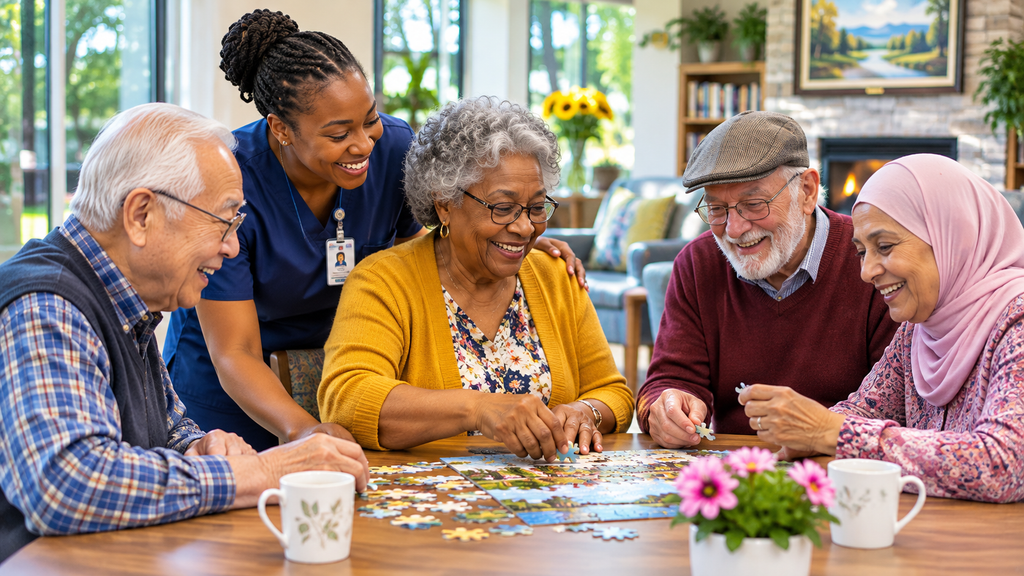
Dementia is an umbrella term for a group of conditions that affect memory, thinking, communication, reasoning, and the ability to perform everyday activities.
Caring for someone with dementia requires patience, understanding, appropriate supervision, and an environment that supports safety and dignity.
Care strategies may include:
- Establishing consistent daily routines.
- Using simple and reassuring communication.
- Reducing unnecessary distractions.
- Providing appropriate activities.
- Supporting nutrition and hydration.
- Monitoring changes in behavior.
- Creating a safer living environment.
Explore Dementia Care:
- What Is Dementia?
- Early Signs and Symptoms of Dementia
- Understanding the Stages of Dementia
- How to Communicate with Someone with Dementia
- Managing Dementia-Related Behavioral Changes
- Creating a Safe Home for Someone with Dementia
5. Alzheimer’s Disease

Alzheimer’s disease is a progressive brain disease and the most common cause of dementia. It affects memory, thinking, reasoning, and eventually the ability to perform everyday activities.
Although Alzheimer’s disease has no current cure, treatments and supportive care can help manage symptoms and support quality of life.
Families should understand the early warning signs, diagnostic process, available treatments, and long-term care considerations.
Explore Alzheimer’s Disease:
- What Is Alzheimer’s Disease?
- Early Warning Signs of Alzheimer’s
- The Stages of Alzheimer’s Disease
- How Alzheimer’s Disease Is Diagnosed
- Treatment and Management Options
- How to Care for Someone with Alzheimer’s
6. Caregiver Guides

Caregiving can involve assisting an older adult with personal hygiene, meals, mobility, medication routines, appointments, and other everyday responsibilities.
Whether you are a first-time caregiver or have years of experience, practical guidance can make caregiving more organized and manageable.
Explore Caregiver Guides:
- Beginner’s Guide to Elderly Care
- How to Care for Aging Parents at Home
- Daily Caregiving Checklist
- Medication Organization for Older Adults
- Planning Nutritious Meals for Seniors
- How to Create a Senior Care Plan
7. Caregiver Support

Caregiving can be physically and emotionally demanding. Caregivers may experience stress, exhaustion, financial pressure, and difficulty balancing family responsibilities with personal needs.
Caregiver support is important for maintaining the well-being of both caregivers and the people receiving care.
Helpful support strategies include:
- Taking regular breaks.
- Exploring respite care.
- Joining caregiver support groups.
- Sharing responsibilities among family members.
- Seeking professional guidance.
- Maintaining personal health and social relationships.
Explore Caregiver Support:
- Recognizing Caregiver Burnout
- How to Manage Caregiver Stress
- Understanding Respite Care
- Finding Caregiver Support Groups
- Mental Health and Caregiving
- Financial Resources for Family Caregivers
8. Daily Care for Older Adults

Daily care involves supporting the personal needs and everyday activities of older adults.
Some people need minimal assistance, while others require more comprehensive support.
Daily care may include:
- Bathing and personal hygiene.
- Dressing and grooming.
- Toileting and incontinence management.
- Eating and hydration.
- Oral hygiene.
- Mobility and transfers.
- Skin care.
- Maintaining daily routines.
Care should always respect the older person’s privacy, dignity, preferences, and independence.
Explore Daily Care:
- Personal Hygiene for Older Adults
- How to Help Seniors With Bathing
- Managing Incontinence in Older Adults
- Nutrition and Hydration for Seniors
- Safe Mobility and Transfers
- Daily Care Routines for Elderly Parents
9. Safety for Older Adults

Safety becomes increasingly important as some older adults experience changes in balance, strength, mobility, eyesight, or memory.
Making the home safer can reduce preventable injuries and help older adults maintain independence.
Important safety considerations include:
- Removing tripping hazards.
- Installing bathroom grab bars.
- Improving lighting.
- Using appropriate mobility aids.
- Keeping frequently used items within reach.
- Reviewing medication safety with healthcare professionals.
- Developing an emergency plan.
- Addressing wandering risks for people with dementia.
Explore Senior Safety:
- Fall Prevention for Older Adults
- How to Make a Home Safer for Seniors
- Bathroom Safety for Elderly People
- Medication Safety for Older Adults
- Emergency Preparedness for Seniors
- Mobility Aids and Assistive Devices
10. Family Caregiving

Family caregiving involves relatives providing practical, emotional, and sometimes financial support to an aging family member.
Adult children often find themselves balancing employment, parenting, personal responsibilities, and caring for aging parents.
A well-organized family caregiving plan can help distribute responsibilities and reduce misunderstandings.
Explore Family Caregiving:
- How to Start Caring for Aging Parents
- How to Divide Caregiving Responsibilities Among Siblings
- Long-Distance Caregiving
- Balancing Work and Family Caregiving
- Financial Planning for Aging Parents
- Discussing Long-Term Care With Family Members
- End-of-Life Planning for Families
Conclusion
Aging brings different needs and challenges for every individual. Some older adults remain independent well into later life, while others require assistance with daily activities, specialized medical care, or long-term residential support.
Understanding healthy aging, nursing homes, assisted living, dementia care, Alzheimer’s disease, and family caregiving can help families prepare for these changes.
SUNDRG HEALTH is committed to providing practical, educational, and accessible resources that help older adults maintain dignity, support caregivers, and improve quality of life.
Disclaimer: SUNDRG HEALTH provides general educational information, not individualized medical advice. Consult qualified healthcare professionals about medical conditions, symptoms, diagnosis, and treatment decisions.