
For Nursing Home Residents
1. What Is an Allergy?
An allergy happens when your body’s defense system (immune system) reacts to something that may not bother other people.
The substance that causes the reaction is called an allergen.
Examples include certain foods, medications, dust, pollen, insect bites, and soaps.
2. Common Signs and Symptoms of Allergies
You may experience one or more of the following symptoms:
- Sneezing or a runny nose.
- Itchy or watery eyes.
- Skin redness, itching, or rashes.
- Hives (raised, itchy bumps on the skin).
- Swelling of the lips, face, or eyes.
- Nausea, vomiting, or diarrhea.
- Coughing or wheezing.
Important: Tell your nurse or caregiver if you notice any unusual symptoms, especially after eating a new food, taking medication, or using a new product.
3. Common Types of Allergies
Some common things that can cause allergies include:
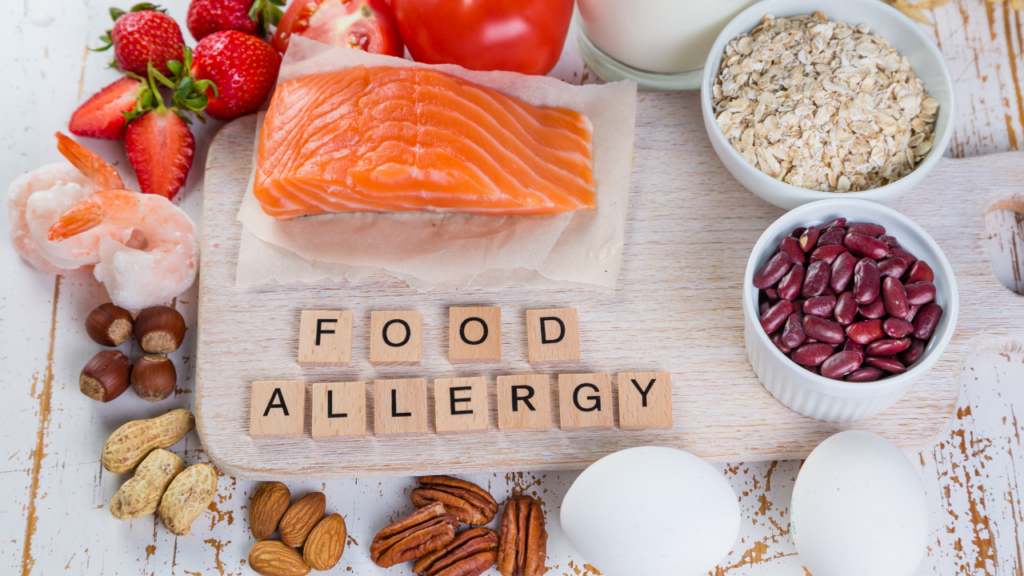
- Food allergies: Milk, eggs, peanuts, fish, shellfish, wheat, soy, and other foods.
- Medication allergies: Certain antibiotics, pain medications, and other prescribed drugs.
- Dust allergies: Dust and dust mites can cause sneezing and breathing problems.
- Insect allergies: Bee, wasp, and ant bites or stings.
- Pet allergies: Animal hair, skin flakes, and saliva.
- Pollen allergies: Pollen from trees, grass, and flowers.
- Skin allergies: Certain soaps, lotions, detergents, latex, and cleaning products.
- Mold allergies: Mold found in damp areas.
4. What Should You Do If You Have an Allergic Reaction?
If you notice signs of an allergic reaction:
- Inform your nurse or caregiver immediately.
- Do not eat or use the suspected substance again until you receive medical advice.
- Do not take medication that has not been approved by your healthcare provider.
- Follow the treatment instructions given by your healthcare team.
5. Serious Allergic Reactions: When to Get Emergency Help
Some allergic reactions can become life-threatening. This serious reaction is called anaphylaxis.
Watch for these warning signs:
- Difficulty breathing.
- Swelling of the tongue or throat.
- Severe swelling of the face or lips.
- Difficulty swallowing or speaking.
- Severe dizziness or fainting.
- Sudden confusion or weakness.
- Widespread hives accompanied by other symptoms.
IMPORTANT: These symptoms require immediate emergency attention. Alert nursing staff immediately. Staff should activate the facility’s emergency response procedure and call 911 when indicated. Prescribed epinephrine should be administered promptly according to the emergency protocol.
6. How Can You Prevent Allergic Reactions?
You can help prevent allergic reactions by following these steps:
- Tell your nurse about all known allergies.
- Avoid foods that you are allergic to.
- Do not share medications with other residents.
- Ask staff before using new lotions, soaps, or creams.
- Keep your room clean and free from excessive dust.
- Inform staff if you develop a rash or itching.
- Follow your prescribed medication and treatment plan.
7. How Can Nursing Home Staff Help?
Your healthcare team can help protect you by:
- Recording your allergies in your medical record.
- Checking food and medication allergies before administration.
- Monitoring you for signs of allergic reactions.
- Providing appropriate treatment as prescribed.
- Informing other healthcare professionals about your allergies.
- Responding promptly to allergic emergencies.
8. When Should You Tell Your Nurse?
Please tell your nurse if you experience:
- New or unexplained itching.
- Skin redness or rashes.
- Swelling around your eyes, lips, or face.
- Sneezing or persistent coughing.
- Difficulty breathing.
- Any unusual symptoms after eating or taking medication.
Never ignore a new allergic reaction. Early reporting can help prevent serious complications.
REMEMBER!
Your safety is important. Always inform your healthcare team about your allergies.
If something makes you feel itchy, causes a rash, or makes it difficult to breathe, tell your nurse immediately.
Patient Education | Allergy Awareness and Prevention
Leave a Reply