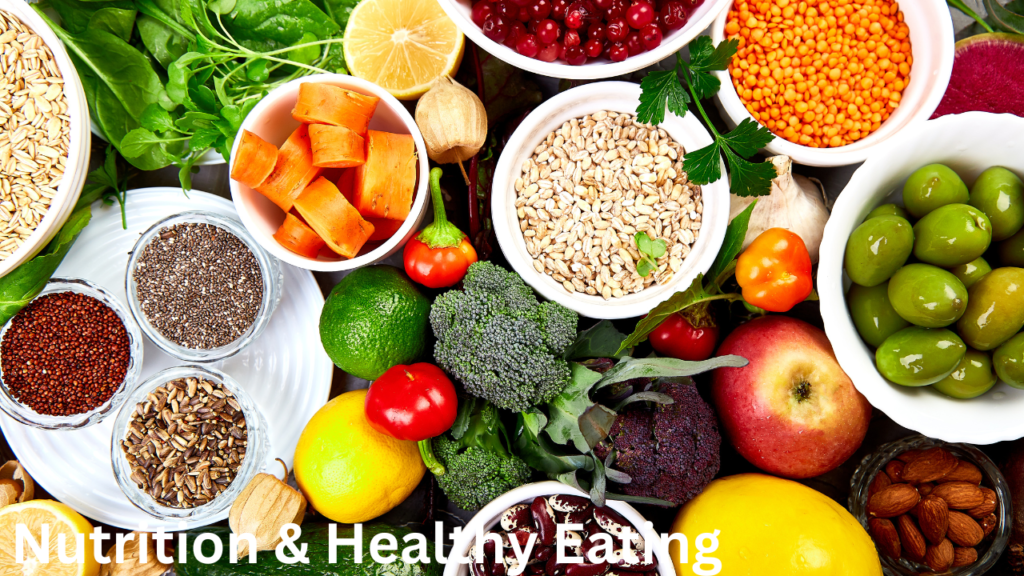
Introduction
Nutrition plays an important role in everyday health and well-being. The foods and drinks you consume provide the energy and nutrients your body needs to function, maintain tissues, support normal growth and carry out daily activities.
Healthy eating does not require expensive ingredients, complicated meal plans or eliminating every food you enjoy. It begins with understanding your nutritional needs, choosing a variety of foods and developing habits that are practical enough to maintain over time.
At SUNDRG HEALTH, our goal is to make nutrition information easier to understand and apply. This guide explains the fundamentals of nutrition, the components of a balanced diet, how to choose nutritious foods and practical ways to build healthier eating habits.
What Is Nutrition?
Nutrition is the process through which the body obtains and uses nutrients from food and beverages. These nutrients support energy production, growth, tissue maintenance and many normal bodily functions.
The main nutrients include carbohydrates, proteins, fats, vitamins, minerals and water. Dietary fiber is also an important component of a healthy eating pattern because it supports digestive health and can help with regular bowel movements.
Different foods provide different combinations of nutrients. For example, whole grains provide carbohydrates and fiber, eggs provide protein and several vitamins and minerals, and vegetables supply a range of vitamins, minerals and other beneficial compounds.
Eating a variety of foods helps provide the range of nutrients the body needs.
What Is Healthy Eating?
Healthy eating means following an eating pattern that provides adequate nutrients and energy while including a variety of foods in appropriate amounts.
A healthy diet is not defined by one particular food, meal or eating style. The overall pattern of what you eat regularly matters more than the occasional individual choice.
A balanced eating pattern generally emphasizes:
- Fruits and vegetables.
- Whole grains and other fiber-rich foods.
- Beans, lentils, nuts and seeds.
- Suitable sources of protein, including fish, eggs, poultry and plant-based options.
- Unsaturated fats from foods such as nuts, seeds, avocados and vegetable oils.
- Water and other appropriate low-sugar beverages.
It also involves paying attention to foods and drinks that contain large amounts of added sugar, sodium or saturated fat, without assuming that every packaged food is unhealthy.
Healthy eating should accommodate individual nutritional needs, cultural food traditions, food availability, budget and personal preferences.
Why Is Nutrition Important?
Good nutrition helps the body obtain the nutrients it needs for normal functioning. A varied, balanced eating pattern can support several aspects of health.
1. Supports energy needs
Food provides energy for physical activity, work, learning and everyday tasks. Carbohydrates, fats and proteins all contribute energy, although they also have other important functions.
Energy needs vary according to factors such as age, body size, activity level and life stage.
2. Supports growth and tissue maintenance
Protein, fats, vitamins, minerals and other nutrients contribute to the formation, maintenance and repair of body tissues. Adequate nutrition is especially important during periods of growth and other stages when nutritional requirements change.
3. Supports normal body functions
Vitamins and minerals help regulate many processes in the body. For example, calcium contributes to bone health, iron is needed for oxygen transport, and vitamin C supports collagen formation and helps the body absorb iron from plant foods.
4. Supports digestive health
Fiber-rich foods such as beans, vegetables, fruits, oats and whole grains help support normal bowel function. Different types of fiber have different effects, and increasing fiber gradually while drinking adequate fluids may help reduce digestive discomfort.
5. Supports long-term health
Healthy dietary patterns that include a variety of nutritious foods are associated with a lower risk of several diet-related chronic diseases. Overall dietary habits matter more than relying on a single food, drink or supplement.
The Six Essential Nutrients
The body needs nutrients in different amounts. Some are required in relatively large quantities, while others are needed in smaller amounts.
1. Carbohydrates
Carbohydrates provide energy for the body. They are found in foods such as grains, potatoes, corn, fruits, beans and other legumes.
Nutritious carbohydrate sources include oats, brown rice, whole-wheat bread, beans, lentils, fruit and vegetables. These foods can provide fiber, vitamins and minerals in addition to energy.
Rather than avoiding all carbohydrates, focus on food quality, variety and the portions that suit your needs.
2. Protein
Protein provides amino acids that the body uses to build and maintain tissues and produce enzymes and other important substances.
Sources include eggs, fish, poultry, meat, milk, yogurt, beans, lentils, tofu, nuts and seeds.
Including protein-rich foods throughout the day can help you meet your nutritional needs. Requirements differ according to age, body size, activity level and health circumstances.
3. Fats
Dietary fat supplies energy, helps the body absorb vitamins A, D, E and K, and provides essential fatty acids.
Sources of unsaturated fats include olive oil, canola oil, nuts, seeds, avocados and many types of fish.
Butter, fatty meats and some tropical oils contain more saturated fat. A healthy eating pattern generally favors unsaturated fats over saturated fats and avoids industrially produced trans fats.
4. Vitamins
Vitamins are organic compounds needed in small amounts for normal body functions.
Examples include:
- Vitamin A, which supports normal vision and immune function.
- B vitamins, which help the body use energy and perform other essential processes.
- Vitamin C, which supports collagen formation and iron absorption.
- Vitamin D, which helps the body absorb calcium.
- Vitamin E, which functions as an antioxidant.
- Vitamin K, which is needed for normal blood clotting.
A varied diet can provide many vitamins. Some people may require supplements depending on their circumstances, but more is not always better.
5. Minerals
Minerals are inorganic nutrients that support functions such as bone development, fluid balance, oxygen transport and nerve signaling.
Important minerals include calcium, iron, potassium, magnesium, zinc and iodine.
Milk and fortified alternatives can provide calcium; beans and leafy vegetables provide iron and other minerals; and nuts, seeds and whole grains supply magnesium. The nutrient content of each food varies.
6. Water
Water supports temperature regulation, digestion, circulation and other essential functions.
Fluid needs vary with activity, climate, age, pregnancy, health and other factors. Drinking water regularly and consuming water-rich foods can contribute to adequate hydration.
Some people need individualized fluid guidance, particularly when a medical condition affects fluid balance.
What Makes a Balanced Diet?
A balanced diet combines different food groups to provide energy and a broad range of nutrients.
A practical starting point is to build meals around vegetables or fruits, a source of protein, and a grain or other starchy food. Include suitable sources of healthy fats and drink water regularly.
For example, a balanced meal might include:
- Brown rice or another grain.
- Beans, fish, eggs, chicken or tofu.
- Cooked vegetables or a fresh salad.
- A small serving of nuts, seeds or an unsaturated oil where appropriate.
- Fruit for dessert, if desired.
This is a flexible framework, not a strict formula. Portions and food choices should reflect individual needs, preferences and appetite.
For more detail, read our supporting guide: How to Build a Balanced Plate for Everyday Meals.
Foods to Include in a Healthy Eating Pattern
Fruits and vegetables
Fruits and vegetables supply vitamins, minerals, fiber and other beneficial compounds. Choose a variety of colors and types throughout the week.
Fresh, frozen and canned produce can all be useful options. When buying canned varieties, compare labels for added sugars and sodium.
Whole grains
Whole grains retain the bran, germ and endosperm of the grain. Examples include oats, brown rice, whole-wheat bread, barley and whole-grain corn products.
Compared with refined grains, whole grains generally provide more fiber and some vitamins and minerals.
Protein-rich foods
Include a variety of protein sources, such as beans, lentils, eggs, fish, poultry, tofu, nuts and seeds. The best choices depend on dietary preferences, nutritional requirements, cost and availability.
Dairy foods and fortified alternatives
Milk, yogurt and cheese can provide protein and calcium. Fortified alternatives may provide similar amounts of selected nutrients, but products vary, so check the nutrition label.
Healthy sources of fat
Nuts, seeds, avocados, fish and unsaturated vegetable oils can contribute beneficial fats to meals. The appropriate amount depends on overall energy needs and dietary preferences.
Foods and Nutrients to Pay Attention To
Healthy eating is not about labeling foods as entirely good or bad. It is about understanding how different foods fit into your overall diet.
Added sugars
Frequent consumption of sugary drinks and foods can make it harder to maintain a balanced diet. Compare nutrition labels and choose water or unsweetened beverages more often.
Sugar naturally present in whole fruit is not treated the same way as added sugar in nutrition guidance.
Sodium
Sodium is an essential mineral, but consuming too much can contribute to high blood pressure. Processed meats, packaged meals, salty snacks, sauces and seasoning products can be significant sources.
Try flavoring food with herbs, spices, citrus, garlic and other seasonings while adjusting salt to your needs.
Saturated and trans fats
Replacing some saturated fats with unsaturated fats can support a healthier dietary pattern. Check ingredient lists for partially hydrogenated oils, which are associated with industrial trans fats.
Highly processed foods
Processing is not automatically a sign that a food is unhealthy. Frozen vegetables, canned beans, plain yogurt and whole-grain bread can be practical parts of a nutritious diet.
Pay attention to the nutritional profile of the product, including sodium, added sugars, fiber, saturated fat and the nutrients it contributes.
Practical Tips for Healthy Eating Every Day
1. Start with small changes
You do not need to overhaul your diet all at once. Add a vegetable to dinner, choose whole-grain bread more often or replace a sugary drink with water.
Small changes can be easier to maintain than restrictive plans.
2. Plan meals ahead
Planning several meals before grocery shopping can reduce last-minute decisions and food waste.
Choose a few protein sources, grains, vegetables and fruits that can be combined in different ways throughout the week.
3. Make nutritious foods convenient
Keep practical options available, such as frozen vegetables, canned beans, oats, eggs, plain yogurt, fruit and unsalted nuts.
Convenient ingredients can make balanced meals easier to prepare when time is limited.
4. Read nutrition labels
Compare similar products rather than judging them by packaging claims alone.
Look at serving size, added sugars, sodium, saturated fat, fiber and relevant nutrients. Remember that the amount you eat may differ from the label’s serving size.
5. Use herbs and spices
Herbs and spices can add flavor, aroma and variety to meals. Garlic, ginger, cinnamon, basil, rosemary, turmeric and other seasonings can help make home cooking more enjoyable.
They can contribute to a flavorful diet, but they should not be presented as substitutes for medical treatment.
6. Choose a realistic eating pattern
A healthy eating plan should fit your schedule, budget, culture and food preferences. There is no single menu that is ideal for everyone.
Avoid extreme restrictions unless they are part of an appropriate, professionally guided dietary plan.
Healthy Eating on a Budget
Nutritious meals do not have to rely on expensive specialty products.
Consider these practical approaches:
- Compare the cost per serving of different foods.
- Buy seasonal produce when it is affordable.
- Use frozen vegetables and fruit when fresh options are expensive.
- Include economical protein sources such as beans, lentils and eggs.
- Prepare larger batches of meals and refrigerate or freeze suitable portions.
- Use leftovers safely in soups, salads, grain bowls and other dishes.
- Make a grocery list based on meals you realistically expect to prepare.
Canned and frozen foods can be nutritious and convenient. Compare labels when sodium or added sugar is a concern.
Healthy Eating Mistakes to Avoid
Some common habits can make balanced eating more difficult.
Skipping entire food groups without a clear reason: This may make it harder to obtain certain nutrients.
Following extreme diets: Highly restrictive plans may be difficult to sustain and may not meet nutritional needs.
Relying on supplements instead of food: Supplements do not replace the full range of nutrients and other beneficial components found in varied foods.
Believing expensive foods are always healthier: Ordinary foods such as oats, beans, eggs, frozen vegetables and seasonal fruit can make valuable contributions to a balanced diet.
Expecting immediate results: Healthy eating is a long-term pattern, not a short-term challenge.
Ignoring individual needs: Allergies, intolerances, medical conditions, pregnancy and other circumstances can affect dietary requirements.
How to Start Eating Healthier This Week
Use this simple plan to begin building more balanced habits.
Day 1: Add a fruit or vegetable to one meal.
Day 2: Include a protein-rich food at each main meal.
Day 3: Replace one refined grain with a whole-grain alternative you enjoy.
Day 4: Prepare a simple meal at home using familiar ingredients.
Day 5: Compare the nutrition labels of two similar packaged foods.
Day 6: Plan a few meals and create a grocery list.
Day 7: Review the habits that worked well and choose which ones to continue.
Adapt this plan to your routine. The goal is to build habits that are realistic and sustainable.
Frequently Asked Questions About Nutrition and Healthy Eating
What is the best diet for good health?
There is no single best diet for everyone. A healthy eating pattern generally includes a variety of vegetables, fruits, whole grains, protein sources and suitable fats, adjusted to individual needs and preferences.
How can I eat healthy every day?
Plan balanced meals, include a variety of foods, drink water regularly, compare nutrition labels and make gradual changes that fit your lifestyle.
Are carbohydrates bad for you?
No. Carbohydrates provide energy, and foods such as whole grains, beans, fruits and vegetables also supply fiber and other nutrients. Food quality and overall dietary patterns matter.
Do I need supplements if I eat a healthy diet?
Not necessarily. Some people need supplements because of life stage, dietary restrictions, a diagnosed deficiency or other circumstances. A healthcare professional can help determine whether supplementation is appropriate.
Is healthy eating expensive?
It does not have to be. Beans, lentils, oats, eggs, seasonal produce and frozen vegetables can help build nutritious meals at a reasonable cost.
How long does it take to develop healthy eating habits?
There is no fixed timeline. The time required depends on the individual, the habit and the surrounding circumstances. Consistent, manageable changes are a useful starting point.
Conclusion
Nutrition and healthy eating are about providing the body with the nutrients and energy it needs through a varied, balanced and practical eating pattern.
You can begin by including more fruits, vegetables, whole grains and suitable protein sources, paying attention to food labels, planning meals and making changes that fit your budget and preferences.
There is no need to pursue perfection. Focus on habits that are realistic enough to maintain and seek qualified guidance when your nutritional needs are affected by a medical condition or other special circumstance.
Explore more nutrition education and practical food guides from SUNDRG HEALTH to continue learning about healthy eating and everyday wellness.
Suggested next reads:
- What Is Nutrition? A Beginner’s Guide to Essential Nutrients
- The Six Essential Nutrients and Their Functions
- How to Build a Balanced Plate for Everyday Meals
- Healthy Eating on a Budget: Practical Grocery Shopping Tips
- How to Plan Healthy Meals for the Week
Health information notice: This article is for general educational purposes and is not a substitute for individualized medical or dietetic advice.