
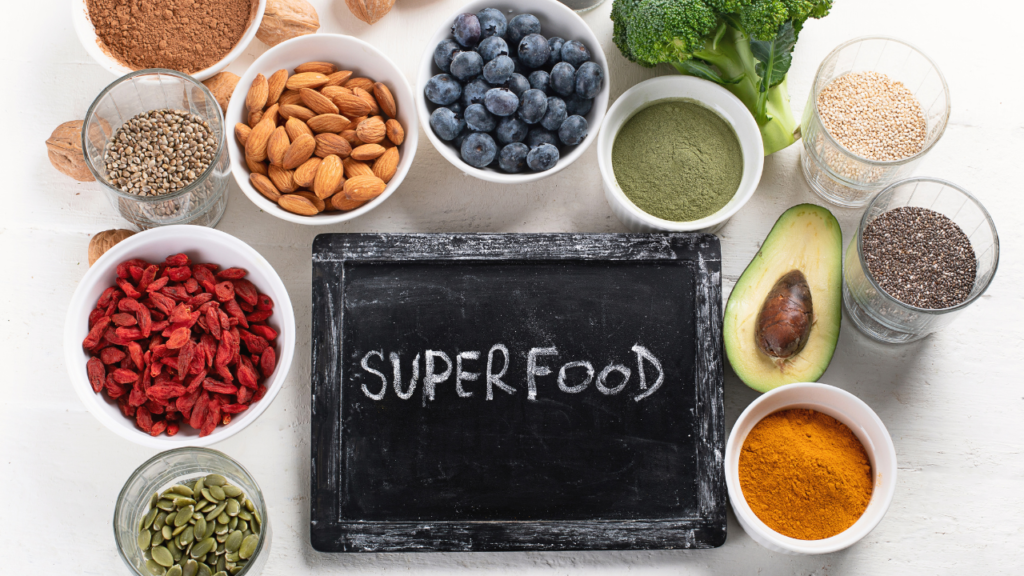
Superfoods are foods rich in nutrients that support good health. They are not a scientific category, but the term is often used to describe foods that contain high levels of vitamins, minerals, antioxidants, fiber, and healthy fats. Many superfoods come from plants, such as fruits, vegetables, nuts, seeds, and whole grains, though some fish and dairy products also qualify because they are very nutrient-dense.
Superfoods are popular in nutrition and wellness because people are looking for natural ways to feel better, stay energized, and prevent disease. In a world full of processed foods, superfoods stand out as simple, whole foods from nature. They are easy to add to meals, widely shared on social media, and often linked to long-standing traditions of healthy eating across cultures around the world.
Eating superfoods may help boost energy, strengthen the immune system, support gut and brain health, and reduce inflammation. While no single food can do everything, regularly eating a variety of superfoods can support long-term wellness when combined with a balanced diet.
In this article, you’ll learn what superfoods really are, why they’ve become so popular, what science says about their health benefits, and how they may help protect your body from problems like inflammation, poor digestion, and chronic disease.
Superfoods are natural foods that are packed with nutrients but usually low in calories. They contain high levels of vitamins, minerals, antioxidants, and other healthy compounds that help keep the body strong. While no single food can provide your body with everything it needs, superfoods offer more health benefits per bite and can support heart health, immunity, and long-term wellness.
Are Superfoods a Scientific Term or a Marketing Label?
The word superfood is not an official scientific term. It is a popular label for foods that are very healthy and nutrient-rich. Even though the name is informal, nutrition experts agree that many foods called superfoods truly are good for you because they provide essential nutrients that support overall health.
What Makes a Food a “Superfood”?
A food is often called a superfood when it contains a lot of nutrients for its calorie content. These foods are usually high in antioxidants that protect the body’s cells, along with vitamins and minerals that help the body work properly. Many superfoods also include fiber and healthy fats, which support digestion, heart health, and the immune system while helping lower the risk of long-term health problems.
Antioxidants (Polyphenols and Flavonoids)
Superfoods contain antioxidants, such as polyphenols and flavonoids, that help protect the body against damage from free radicals. Free radicals are harmful molecules that can build up due to stress, pollution, aging, and a poor diet. Antioxidants help reduce inflammation and may lower the risk of long-term health problems such as heart disease, cancer, and memory loss. Eating a variety of antioxidant-rich foods is more effective than taking antioxidant supplements. 2
Vitamins and Mineral
Superfoods are packed with essential vitamins and minerals that support the body’s proper function. These include vitamins A, C, and E, as well as minerals such as potassium, magnesium, calcium, and iron. These nutrients support the immune system, keep bones strong, protect eyesight, and help the body repair cells. Getting vitamins and minerals from whole foods is safer and more effective than relying on pills.
Fiber Content
Fiber is an important nutrient found in many superfoods, especially fruits, vegetables, whole grains, seeds, and legumes. Fiber helps digestion, prevents constipation, controls blood sugar levels, and helps you feel full longer. Most people do not eat enough fiber each day, so adding fiber-rich superfoods can greatly improve gut health and overall wellness.
Healthy Fats (Omega-3 Fatty Acids)
Some superfoods provide healthy fats, especially omega-3 fatty acids, which are important for heart and brain health. Fatty fish like salmon contain powerful omega-3s, while plant foods like chia seeds, flaxseeds, and walnuts offer plant-based options. These healthy fats help reduce inflammation, improve cholesterol levels, and support memory and focus.
Plant Compounds and Phytonutrients
Phytonutrients are natural compounds found in plant foods that help protect the body from disease. They are not vitamins or minerals, but they work with nutrients and fiber to support cell health. Phytonutrients may help slow aging and reduce the risk of conditions such as heart disease, cancer, and vision loss. Eating colorful fruits and vegetables is one of the best ways to get these protective compounds.
Superfoods are foods that are very high in nutrients but usually low in calories. They contain important vitamins, minerals, antioxidants, fiber, and healthy fats that help the body stay healthy. Eating superfoods regularly can help boost the immune system, protect the heart, improve digestion, support brain health, and lower the risk of long-term diseases like heart disease, diabetes, and some cancers.
A. Superfoods for Immune Support
Superfoods help support the immune system because they are rich in vitamins and minerals such as vitamin C, vitamin A, and zinc. These nutrients help the body fight infections and protect cells from damage. Foods like berries, citrus fruits, and dark leafy greens are especially helpful because they contain antioxidants that reduce stress on the immune system and help the body heal and stay strong.
B. Superfoods for Gut & Digestive Health
Superfoods support gut and digestive health mainly because they are high in fiber and prebiotics. Fiber helps food move smoothly through the digestive system and prevents constipation, while prebiotics feed the good bacteria in the gut. Foods like chia seeds, oats, flaxseeds, and fermented foods such as yogurt and kefir help keep the gut balanced, improve digestion, and support overall health.
C. Superfoods for Heart Health
Many superfoods are good for heart health because they help lower bad cholesterol and support healthy blood pressure. Nuts, seeds, and olive oil contain healthy fats that reduce inflammation and improve blood flow. Eating these foods regularly can help protect the heart, lower the risk of heart disease, and support healthy circulation throughout the body.
D. Superfoods for Brain & Mental Health
Superfoods can help protect the brain and support mental health because they contain antioxidants and healthy fats that nourish brain cells. Foods like fatty fish, blueberries, and walnuts help improve memory, focus, and brain function. These foods may also reduce the risk of age-related brain decline by protecting the brain from inflammation and oxidative damage.
E. Superfoods for Weight Management
Superfoods can help with weight management by helping you feel full longer and keeping blood sugar levels balanced. Foods like legumes, eggs, and Greek yogurt are high in protein and fiber, which reduce hunger and support a healthy metabolism. Because superfoods are nutrient-dense and filling, they can help control calorie intake and support healthy weight goals.
A. Fruits
Blueberries, Avocado, Pomegranate
Fruits are some of the most popular superfoods because they are full of vitamins, fiber, and antioxidants. Blueberries are rich in antioxidants called flavonoids, which help protect the heart and brain and reduce inflammation. Pomegranates are packed with vitamin C and plant compounds that help fight cell damage and support heart health. These fruits may also help lower the risk of chronic diseases.
Avocados are different from most fruits because they are high in healthy fats. These fats help reduce inflammation and support heart and brain health. Avocados also contain potassium, fiber, and vitamins that help keep your skin, eyes, and energy levels healthy. Adding fruits like these to your diet can improve overall health while still tasting great.
B. Vegetables
Spinach, Kale, Broccoli
Vegetables like spinach, kale, and broccoli are considered superfoods because they are loaded with nutrients but low in calories. Spinach and kale are dark leafy greens that contain vitamins A, C, and K, along with antioxidants like lutein and zeaxanthin that support eye health. These nutrients also help protect cells from damage and support the immune system.
Broccoli is a cruciferous vegetable rich in fiber, vitamin C, and plant compounds like sulforaphane, which may help protect against cancer. Eating a variety of vegetables helps improve digestion, reduce inflammation, and support long-term health. Including these veggies regularly can help your body stay strong and balanced.
C. Seeds & Nuts
Chia Seeds, Flaxseeds, Almonds
Seeds and nuts are small but powerful superfoods. Chia seeds and flaxseeds are rich in omega-3 fatty acids, which help reduce inflammation and support heart and brain health. They are also high in fiber, which helps with digestion and keeps you feeling full longer.
Almonds are packed with vitamin E, healthy fats, protein, and minerals. Vitamin E is an antioxidant that helps protect cells from damage and supports skin and eye health. Eating nuts and seeds in moderate amounts can improve energy levels and help maintain a healthy weight.
D. Whole Grains & Legumes
Quinoa, Oats, Lentils
Whole grains like quinoa and oats are excellent sources of fiber, B vitamins, and minerals. Fiber helps keep digestion healthy and supports heart health by helping lower cholesterol levels. Quinoa is also a complete protein, meaning it contains all essential amino acids your body needs.
Legumes such as lentils are rich in plant-based protein, iron, zinc, and fiber. They help keep blood sugar levels steady and support heart health. Whole grains and legumes are affordable, filling, and easy to add to meals, making them great everyday superfoods.
E. Animal-Based Superfoods
Eggs, Fatty Fish, Greek Yogurt
Animal-based superfoods can provide nutrients that are harder to get from plants alone. Eggs are rich in protein, vitamin D, and eye-protecting nutrients like lutein and zeaxanthin. Fatty fish such as salmon and sardines are high in omega-3 fatty acids, which help reduce inflammation and support heart, brain, and eye health.
Greek yogurt is packed with protein, calcium, and probiotics, which support gut health and immunity. These foods help strengthen bones, muscles, and overall wellness. When eaten in balance, animal-based superfoods can be a healthy part of a nutritious diet.
Why No Single Food Is “Magic”
Superfoods are often talked about as if they can fix health problems all by themselves, but no single food works like magic. Even foods that are high in vitamins and antioxidants cannot make up for an unhealthy diet. Eating kale or chia seeds once in a while will not cancel out too much sugar, junk food, or lack of exercise.
Good health comes from habits, not from one special ingredient. Your body needs many nutrients working together over time. This means eating well most days, drinking enough water, and staying active. Superfoods can help, but they are not a shortcut to good health.
Importance of Dietary Variety
Eating a wide variety of foods is one of the most important parts of a healthy diet. Different foods provide different nutrients, and your body needs many of them to function well. Fruits, vegetables, whole grains, proteins, and healthy fats all play a role in keeping you strong and energized.
When you eat many types of foods, you also help your body absorb nutrients better. For example, vitamin C helps your body absorb iron, and healthy fats help absorb certain vitamins. A colorful plate with many foods is better for your health than focusing on just a few “super” options.
How Superfoods Fit Into a Balanced Diet
Superfoods can be a helpful part of a balanced diet when they are eaten along with regular healthy foods. Adding berries to oatmeal, spinach to meals, or seeds to yogurt can boost nutrition without much effort. These foods add extra vitamins, minerals, and antioxidants.
The key is balance. Everyday foods like apples, beans, oats, eggs, and vegetables provide most of what your body needs. Superfoods should support your diet, not replace it. When combined with simple, affordable foods, superfoods can help make meals healthier and more enjoyable.
| Feature | Superfoods | Regular Healthy Foods |
|---|---|---|
| Definition | Foods high in certain nutrients and antioxidants | Everyday whole foods that support daily nutrition |
| Examples | Blueberries, kale, chia seeds, salmon, turmeric | Apples, carrots, beans, oats, eggs, rice |
| Nutrient Density | Very high in specific nutrients | Balanced mix of essential nutrients |
| Cost | Often more expensive | Usually budget-friendly |
| Availability | Sometimes imported or specialty items | Widely available in grocery stores |
| Health Benefits | Targeted benefits (anti-inflammatory, antioxidant support) | Long-term health support and energy |
| Role in Diet | Adds extra nutrition | Forms the foundation of a healthy diet |
| Sustainability | Can have higher environmental impact | Often locally sourced and sustainable |
Simple Swaps (Smoothies, Salads, Snacks)
Adding superfoods to your daily meals does not have to be hard. One of the easiest ways is by making small swaps with foods you already eat. For example, add spinach, berries, chia seeds, or flaxseeds to your morning smoothie. Toss kale, quinoa, or chickpeas into salads. Snack on nuts, yogurt with fruit, or apple slices with nut butter instead of chips or cookies.
These simple changes help you eat more nutrients without changing your routine. Smoothies, salads, and snacks are perfect places to add superfoods because they mix well with other foods and still taste good. Over time, these small swaps can make a big difference in your overall health.
Budget-Friendly Tips
Eating superfoods does not mean spending a lot of money. Many affordable foods like beans, eggs, oats, carrots, cabbage, sweet potatoes, and frozen fruits are considered superfoods. Buying frozen fruits and vegetables is often cheaper and just as healthy as fresh options. Store brands and buying in bulk can also help lower costs.
You can also focus on seasonal produce, which is usually less expensive and fresher. Instead of buying many specialty items, choose a few basic superfoods and use them in different meals. Simple foods used often are better than expensive foods you rarely eat.
Meal Prep Ideas
Meal prep makes it easier to eat superfoods every day. You can wash and chop fruits and vegetables ahead of time so they are ready to use. Cook large batches of grains like oats, brown rice, or quinoa and store them in the fridge for the week. Prepare smoothie packs by freezing fruits and greens together for quick blending.
Having meals ready saves time and helps you avoid unhealthy choices. When healthy food is already prepared, you are more likely to eat it. Meal prep also helps reduce food waste and keeps you consistent with healthy eating habits.
Serving Size Guidance
You do not need large amounts of superfoods to get benefits. Small portions added regularly are enough. For example, one handful of berries, one tablespoon of chia seeds, a cup of leafy greens, or one egg can provide important nutrients. Eating a variety of superfoods is more important than eating large amounts of just one.
Try to include at least one fruit or vegetable at every meal. Balance your plate with whole grains, lean protein, healthy fats, and colorful foods. This approach helps your body absorb nutrients better and supports long-term health without feeling overwhelmed.
Whole Foods vs Pills
Superfoods and other whole foods usually work better than pills because they contain many nutrients that work together. Fruits, vegetables, nuts, and grains have vitamins, minerals, fiber, and plant compounds that help the body absorb and use nutrients properly. This teamwork between nutrients is called nutrient synergy, and it is something supplements cannot fully copy.
Supplements often contain just one or two isolated nutrients. While they may list high amounts on the label, the body may not absorb all of them. Whole foods also support gut health and digestion in ways pills cannot. Because of this, eating a variety of healthy foods is usually the best way to get nutrients.
When Supplements May Be Helpful
Supplements can be helpful in certain situations. For example, people who have low vitamin D, low iron, or vitamin B12 deficiency may need supplements. Pregnant women may need folic acid, and people who do not eat fish may benefit from omega-3 supplements.
Supplements can also help when food choices are limited or during specific health needs. However, they should support a healthy diet—not replace it. A doctor or healthcare provider should always be consulted before starting supplements.
Safety and Absorption Considerations
Whole foods are generally safer than supplements because they contain balanced amounts of nutrients. High-dose supplements can sometimes cause side effects or interfere with how other nutrients work in the body. For example, too much zinc can lower copper levels, and too much calcium can reduce magnesium absorption.
Absorption is another key issue. Nutrients from food are often absorbed better, especially when eaten with healthy fats or vitamin-rich foods. Supplements may not be absorbed well, and some may even be harmful if taken in large amounts. This is why building balanced meals is safer and more effective than relying only on pills.
Superfoods Cure Diseases
Many people believe that eating one superfood can cure diseases or fix health problems. This is not true. No single food can heal the body on its own. Health improves over time based on overall eating habits, physical activity, sleep, and lifestyle—not one special ingredient.
Superfoods can support good health, but they work best as part of a balanced diet. Eating plenty of vegetables, fruits, whole grains, healthy fats, and protein matters far more than focusing on one “magic” food. Superfoods should be seen as a helpful bonus, not a cure.
You Need Exotic or Expensive Foods
It’s a common myth that superfoods must come from faraway places or cost a lot of money. Foods like goji berries or quinoa may be healthy, but they are not better than local, everyday foods. Spinach, lentils, carrots, beans, oats, and apples offer similar nutrition at a much lower cost.
Local and seasonal foods are often fresher and easier to include in daily meals. You do not need expensive or exotic foods to eat well. A healthy diet can be simple, affordable, and built from foods found at any grocery store.
More Is Always Better
Some people think that if a food is healthy, eating more of it will lead to better health. This is not true. Even healthy foods contain calories, sugar, or fat, and eating too much can cause problems. For example, too many smoothies or large portions of high-fat superfoods can lead to weight gain.
Balance and portion control are important. Eating small to moderate amounts of superfoods as part of mixed meals is the safest approach. More variety—not more quantity—is what helps your body get the nutrients it needs.
Beginners to Healthy Eating
People who are new to healthy eating can benefit from learning about superfoods because they are simple, nutrient-rich foods. Superfoods like fruits, vegetables, beans, nuts, and whole grains make it easier to get important vitamins and minerals without complicated meal plans. They can help beginners build healthier meals step by step.
However, beginners should remember that superfoods are not magic foods. Eating well is about balance and variety, not just picking a few trendy items. Adding superfoods to everyday meals—like vegetables in soups or fruit with breakfast—is a good starting point for long-term healthy habits.
People Focused on Immunity, Energy, and Gut Health
People looking to support their immune system, boost energy, or improve gut health may benefit from superfoods because many are rich in antioxidants, fiber, and healthy fats. Foods like berries, leafy greens, beans, yogurt, and nuts help support digestion and provide steady energy throughout the day.
Still, no superfood works alone. These health goals are best supported by eating a wide range of foods regularly. Superfoods should be included as part of a balanced diet that also includes enough protein, healthy fats, and whole grains.
Busy Individuals Seeking Nutrient-Dense Options
Busy individuals often struggle to eat balanced meals, which is where superfoods can help. Nutrient-dense foods like oats, eggs, frozen vegetables, beans, seeds, and fruits provide a lot of nutrition in a short amount of time. These foods are easy to prepare and fit well into quick meals or snacks.
Even for busy schedules, relying only on packaged “superfood” products is not the best choice. Whole foods are usually cheaper, less processed, and more filling. Simple meals made with everyday nutrient-dense foods can support good health without extra cost or effort.
Are Superfoods Scientifically Proven?
Superfoods are not a scientific category, and there is no official definition used by scientists or doctors. The word “superfood” is mostly a marketing term used to describe foods that are rich in nutrients like vitamins, minerals, antioxidants, and fiber. While the label itself is not scientific, many foods called superfoods—such as leafy greens, berries, beans, and fish—have been studied and shown to support good health.
That said, not every food labeled a superfood has strong scientific proof behind its health claims. Some benefits are well supported by research, while others are exaggerated. This is why experts recommend focusing on a variety of whole foods instead of relying on one “super” item for health.
Can Superfoods Help With Weight Loss?
Superfoods do not cause fast or automatic weight loss. However, some superfoods can make weight loss easier when included in a healthy diet. Foods high in fiber and protein, such as beans, seeds, nuts, and leafy greens, help you feel full longer and may reduce overeating.
Weight loss works best when superfoods are combined with balanced meals, regular movement, and healthy habits. Superfoods can support weight loss, but they are not a replacement for good nutrition or lifestyle changes.
How Many Superfoods Should I Eat Daily?
There is no set number of superfoods you must eat each day. Instead, experts recommend focusing on variety. Eating a mix of fruits, vegetables, whole grains, nuts, seeds, and healthy proteins helps your body get many different nutrients.
A good goal is to include at least five servings of nutrient-dense foods each day. These can come from leafy greens, berries, beans, whole grains, or fish. The key is balance—eating many types of healthy foods instead of repeating the same ones every day.
Are Superfoods Safe for Everyone?
Superfoods are generally safe for most people when eaten in normal amounts. However, some people may have allergies, sensitivities, or health conditions that make certain superfoods unsafe. For example, eating too many seeds or high-fiber foods can cause bloating or stomach discomfort.
Moderation is important, especially with concentrated foods or powders. People who are pregnant, taking medication, or managing health conditions should talk to a healthcare provider before making big diet changes. Superfoods work best as part of a balanced diet, not when overused.
Links
https://jphysiolanthropol.biomedcentral.com/articles/10.1186/1880-6805-33-20
https://jphysiolanthropol.biomedcentral.com/articles/10.1186/1880-6805-33-20
Citations